About this scenario
What matters for LEGO The Hobbit
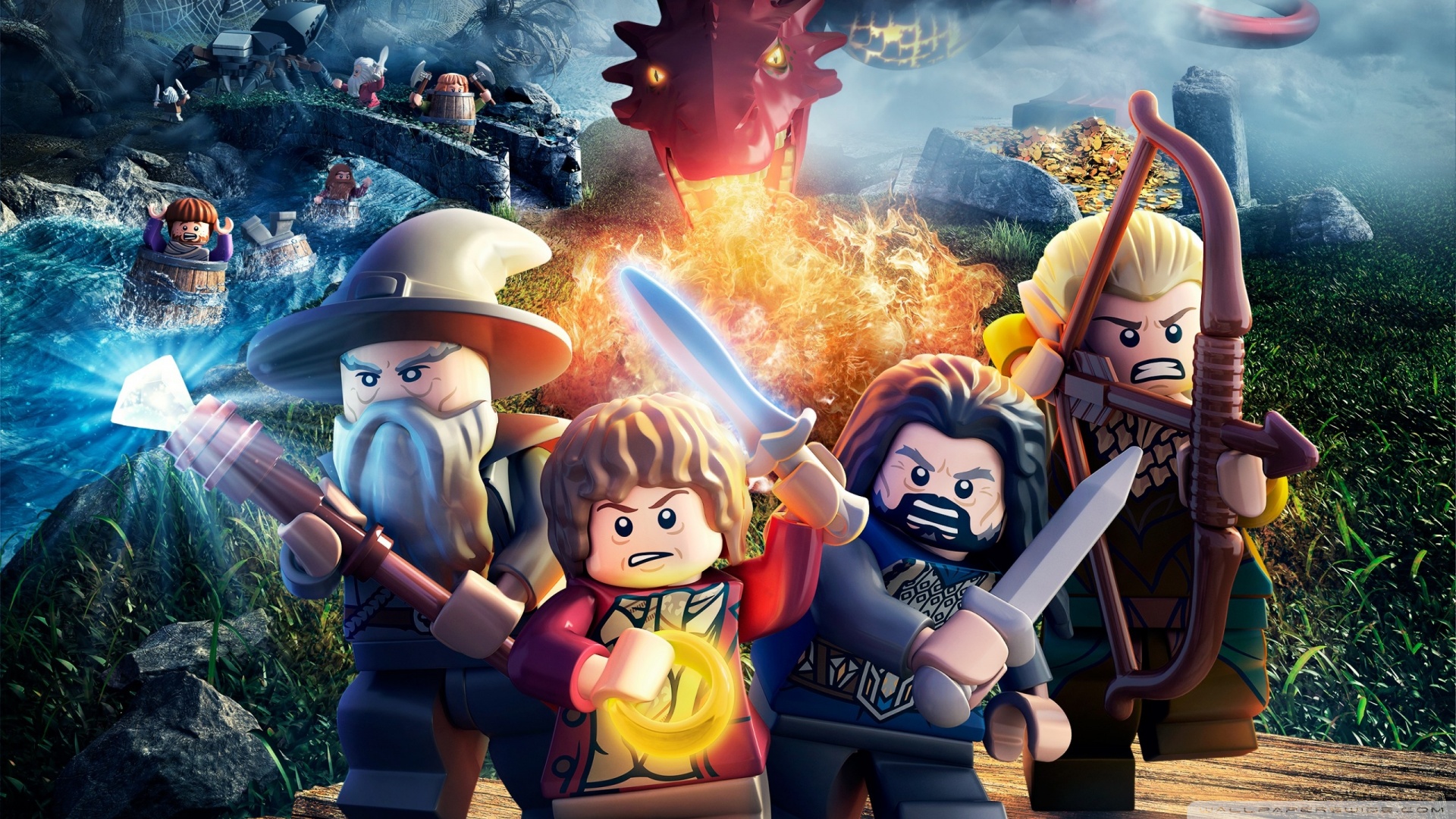
LEGO The Hobbit is a light-hearted action-adventure game that adapts the first two Hobbit films into linear story levels and a large open-world hub for exploration, collectible hunting, and side quests. Players switch between characters like Bilbo and the dwarves to solve ability-based puzzles, smash environments for studs, engage in simple combat, and enjoy local co-op. The game’s stylized LEGO aesthetic, low-poly environments, and physics-driven destruction create a cheerful, family-friendly experience that still places noticeable demands on the GPU when run at high resolutions.
At 4K, the extra pixel density reveals fine details on bricks, subtle reflections, and improved draw distances across areas like the Shire, Laketown, and the Misty Mountains. What drives the load are large open spaces with many destructible objects, particle effects from smashing, and groups of characters or enemies on screen during battles or cutscenes. The DirectX 9/11 engine handles higher resolutions gracefully thanks to its modest geometry, but VSync behavior, shadow quality, and anti-aliasing can introduce stutter or frame pacing issues on underpowered graphics cards. Common pain points for 4K players include occasional hitches in dense hubs on GPUs with limited VRAM and the realization that this 2014 title does not need bleeding-edge hardware, only a balanced system that avoids weak integrated graphics in favor of a modern discrete card.
Before choosing a PC, understand that the game rewards visual clarity and stable performance for comfortable platforming and collectible hunting rather than extreme frame rates. A sensible 4K setup focuses on GPU strength to maintain consistent pacing while keeping the rest of the platform modern enough for smooth multitasking and future compatibility.