About this scenario
What matters for Portal 2
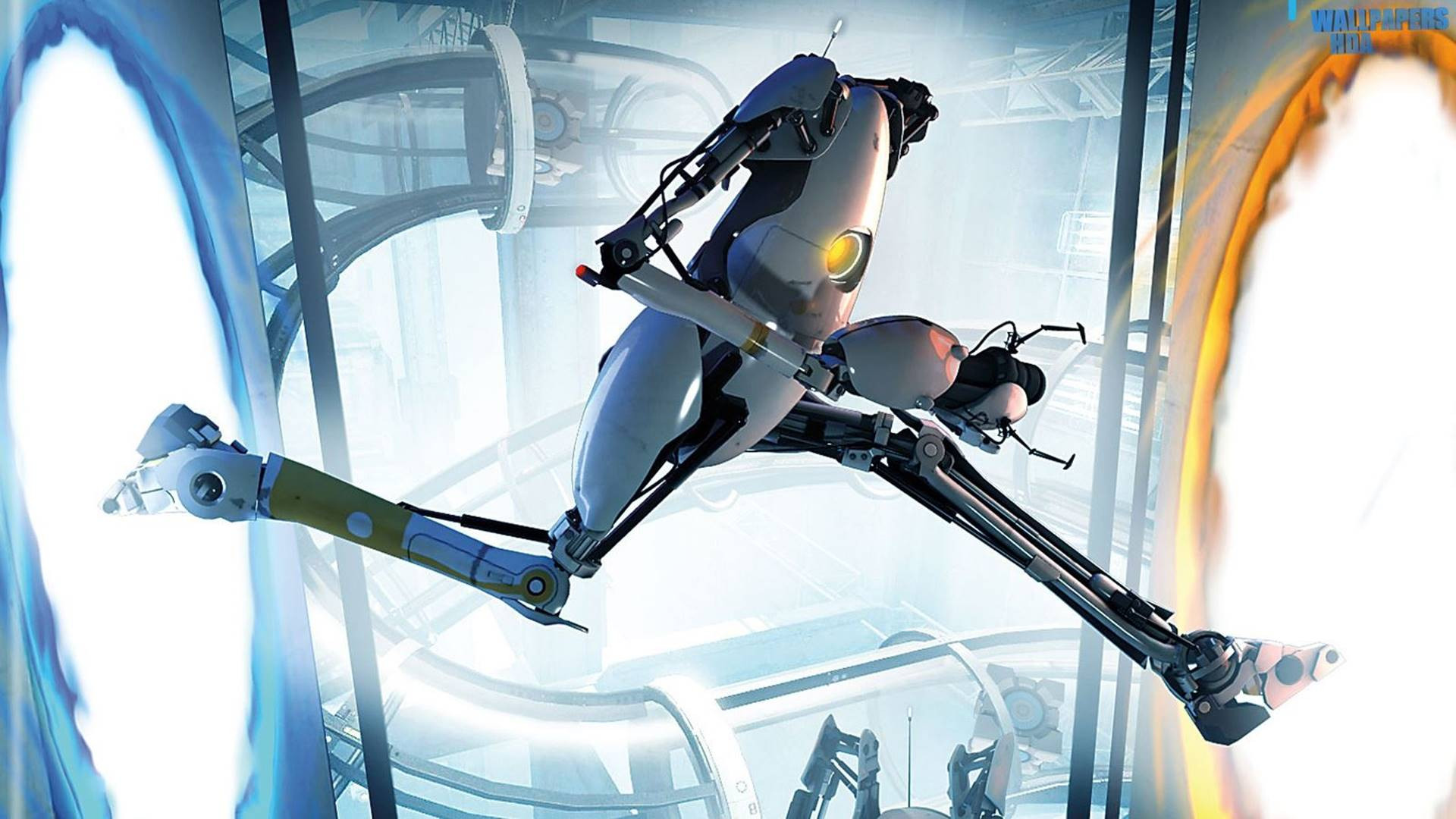
Portal 2 is a first-person puzzle-platformer where players use a portal gun to create linked entry and exit points, redirecting momentum, lasers, gels, and light bridges to solve increasingly complex test chambers. The single-player campaign delivers a witty story with memorable characters like GLaDOS, while the separate co-op campaign adds teamwork-focused puzzles that demand clear communication and synchronized actions. Many players also spend hours on community Workshop maps that extend the base content with new mechanics and elaborate designs.
At 4K, the low native demands of the Source engine meet the realities of rendering over eight million pixels for every frame. Clean geometric lines, reflective portal edges, and fine texture details on decaying Aperture walls become far more noticeable, making high-resolution textures, anisotropic filtering, and strong anti-aliasing valuable for visual clarity. While the base game remains lightweight, the increased resolution raises GPU workload for shaders and fill rate; gels, fizzlers, and faith plates add minor extra draw calls that matter more when every pixel is scrutinized. Players in this scenario want stable frame pacing so momentum-based jumps and precise portal placement never feel disrupted by stutter or inconsistent responsiveness.
Common pain points at 4K include integrated graphics struggling with shader model requirements or high-resolution mods, and uncapped frame rates wasting power on an engine that was designed for 60 FPS stability. A sensible 4K PC for Portal 2 therefore focuses on a modern GPU with ample VRAM rather than extreme CPU frequency or oversized power delivery. This ensures the system stays efficient for both the original campaign and enhanced Workshop or modded experiences without assuming the heavy demands of current AAA titles.