About this scenario
What matters for The Elder Scrolls V: Skyrim Special Edition
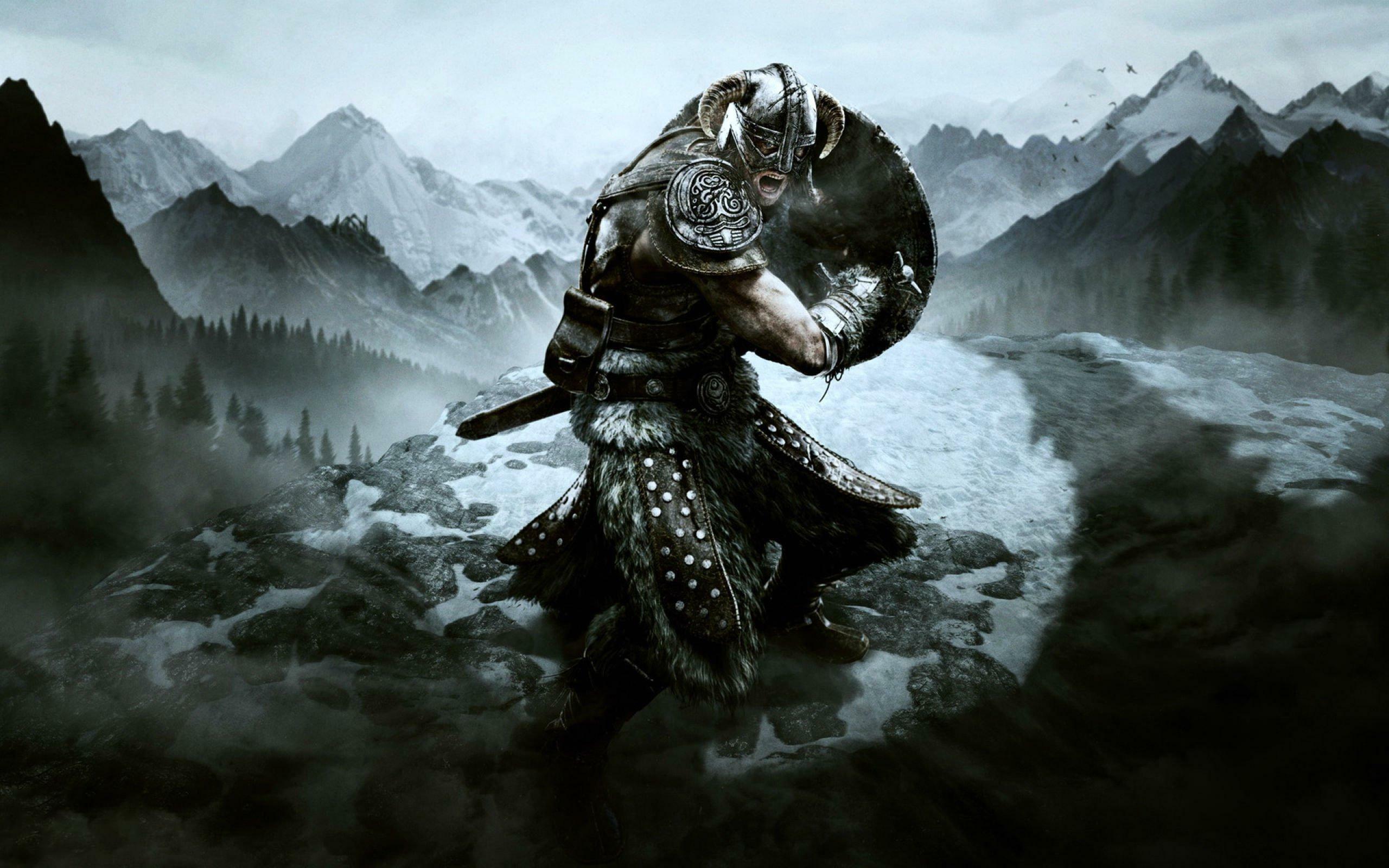
Skyrim Special Edition is a vast open-world action RPG where players spend hundreds of hours exploring the province of Skyrim as the Dragonborn. Most players pursue deeply immersive role-playing with extensive community mods that replace textures, add new quests, overhaul lighting, increase NPC density, and improve foliage and grass. At 4K these graphical enhancements become truly spectacular, turning distant mountains, dense forests, and bustling cities into richly detailed environments that reward slow, observant exploration.
Running the game at native 4K with heavy mods dramatically increases the workload on both GPU and storage. High-resolution texture packs can consume enormous amounts of VRAM as the engine streams assets during travel or when entering new cells. ENB presets add complex shader calculations while grass and shadow mods multiply draw calls and memory traffic. These factors combine to create stuttering, long loading pauses, or sudden hitches when the system cannot keep up with the constant asset swapping across the large open world. The aging Creation Engine still shows its limits here: insufficient VRAM leads to visible texture pop-in or crashes, while slow storage makes frequent save/load cycles and world streaming feel sluggish.
Common pain points at 4K include severe stuttering in Whiterun or dense forests, physics behaving oddly with high frame rates, and long waits when fast-traveling with a heavily modded load order. Many builders underestimate how much VRAM and CPU cache matter once texture replacers and script-heavy mods are installed. Before choosing parts, understand that 4K Skyrim is less about chasing extreme frame rates and more about maintaining consistent smoothness while feeding the GPU enough high-quality data to keep the world looking pristine.