PCBuildQuiz
Dropdown
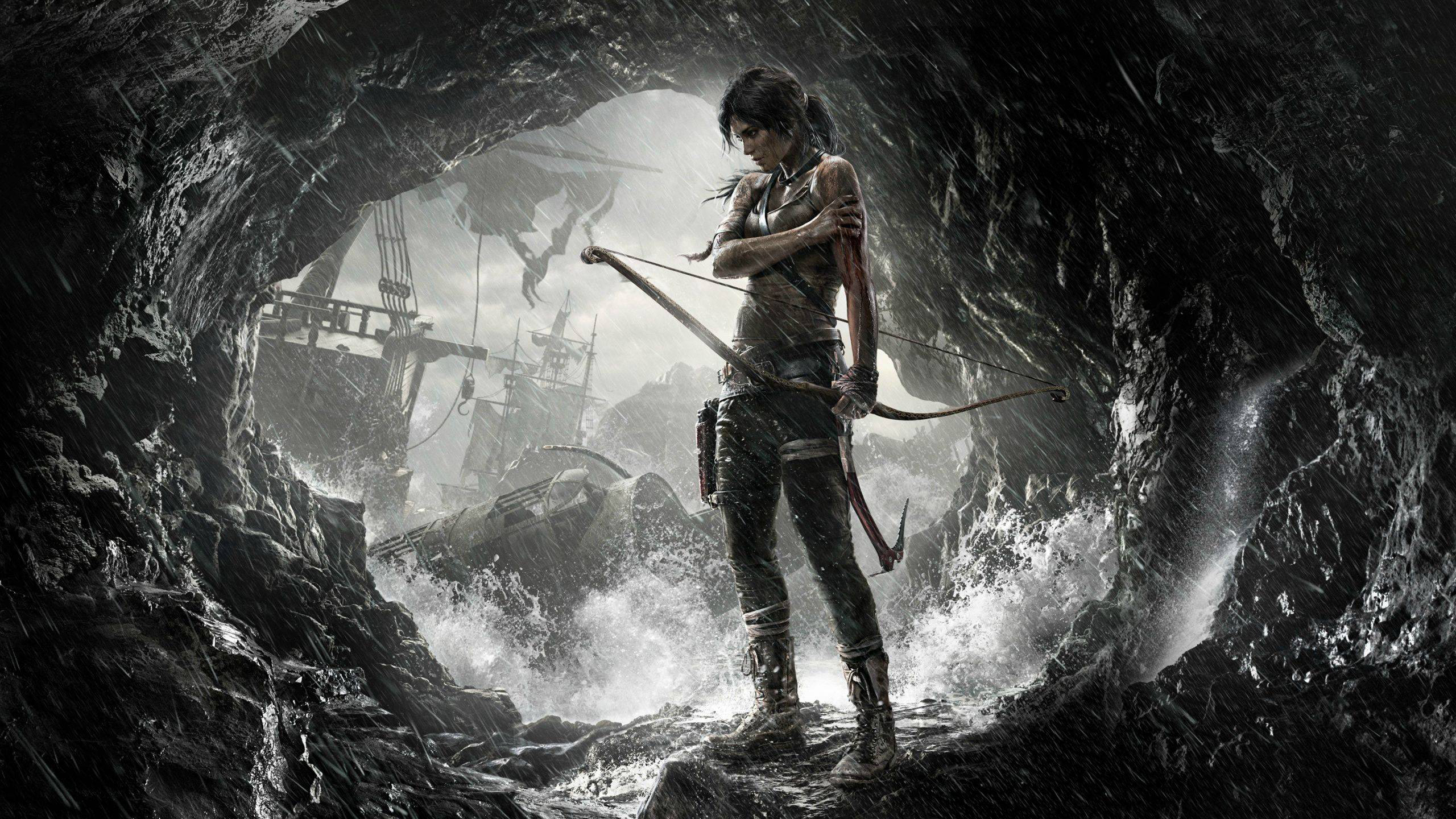
This page recommends a modern 4K gaming PC built around a strong Nvidia GPU for playing Tomb Raider (2013) at its highest visual settings. The build prioritizes ample VRAM and rendering power so the decade-old Foundation engine can deliver crisp island textures, detailed character models, and smooth traversal without stuttering at 3840x2160. It strikes a sensible balance that avoids wasting money on unnecessary high-end components for an older title.
Search the game build library and jump directly to another PCBuildQuiz game guide.
Every gamer is unique. Stop guessing and let our smart engine build a custom rig tailored exactly to your budget and the games you actually play.
Take the PCBuildQuiz!Our mission at PCBuildQuiz is to help you get maximum performance for every dollar by scanning for the best new retail prices 24/7. However, the hardware market can be unpredictable, and specific components like RAM or GPUs may experience temporary price spikes due to shortages. If a price seems unusually high, we recommend checking reputable used marketplaces or waiting for the volatility to settle because we would rather you save money than overpay for a brand new box.
Transparency is key. Some links on this page are affiliate links. This means if you click through and make a purchase, we may earn a small commission at no extra cost to you. This supports our servers and keeps our build engine free for everyone.