About this scenario
What matters for Call of Duty: Black Ops III
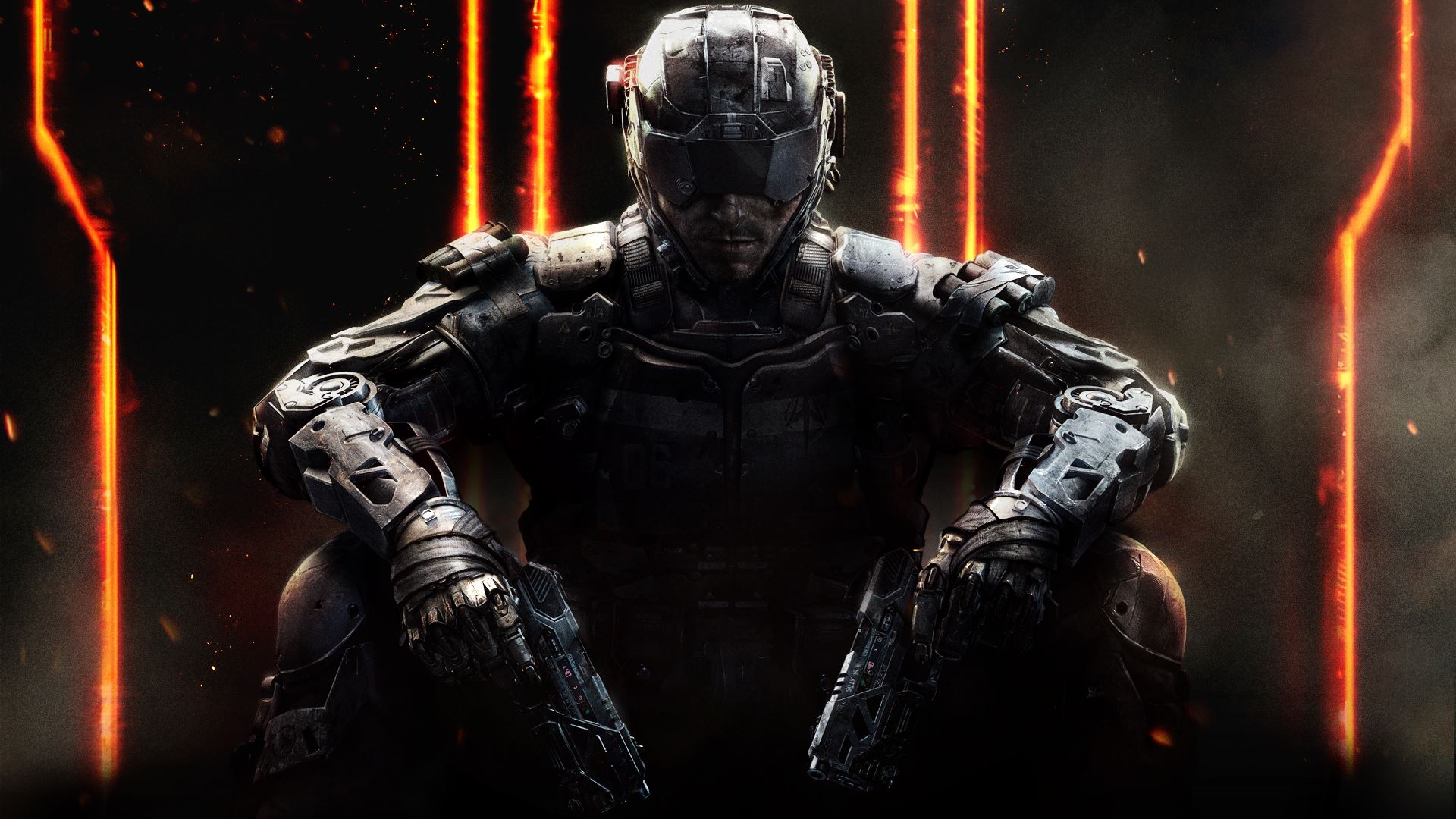
Call of Duty: Black Ops III is a 2015 first-person shooter from Treyarch built on a modified DirectX 11 engine that combines a single-player campaign with advanced movement, competitive multiplayer, and a cooperative Zombies survival mode. On PC, Zombies stands out thanks to an active modding community that produces custom maps and modes well beyond the original content. At 1440p, the higher resolution gives campaign environments and Zombies maps noticeably sharper detail, but it also increases the GPU workload for rendering shadows, particle effects, and anti-aliasing. Players looking at a 1440p gaming PC for this title should understand that the game engine still leans on single-thread and moderately threaded CPU performance during entity-heavy scenarios—particularly modded Zombies with large spawn counts or expanded AI. That means a 1440p PC build cannot rely on raw GPU power alone; the processor must keep up with simulation tasks or the player will see stutters independent of resolution. Multiplayer stays fast and competitive, so consistent frame pacing matters alongside visual clarity. Storage is another practical consideration: the game's install footprint after updates and mod files is larger than many buyers expect, making a terabyte-class SSD a sensible baseline. Overall, BlOps III at 1440p rewards a balanced approach—enough GPU headroom for crisp visuals, a CPU that handles simulation pressure, and supporting components that do not create hidden bottlenecks.
Performance priority
Sharper visuals at 1440p with stable, stutter-free frame delivery across all modes
Component focus
At 1440p, the GPU carries more weight because the increased pixel count pushes rendering harder for textures, shadows, and effects. The CPU still plays a meaningful role, especially in custom Zombies maps packed with entities, so pairing a solid graphics card with a reliable six-core processor keeps the build balanced rather than lopsided.