About this scenario
What matters for Control
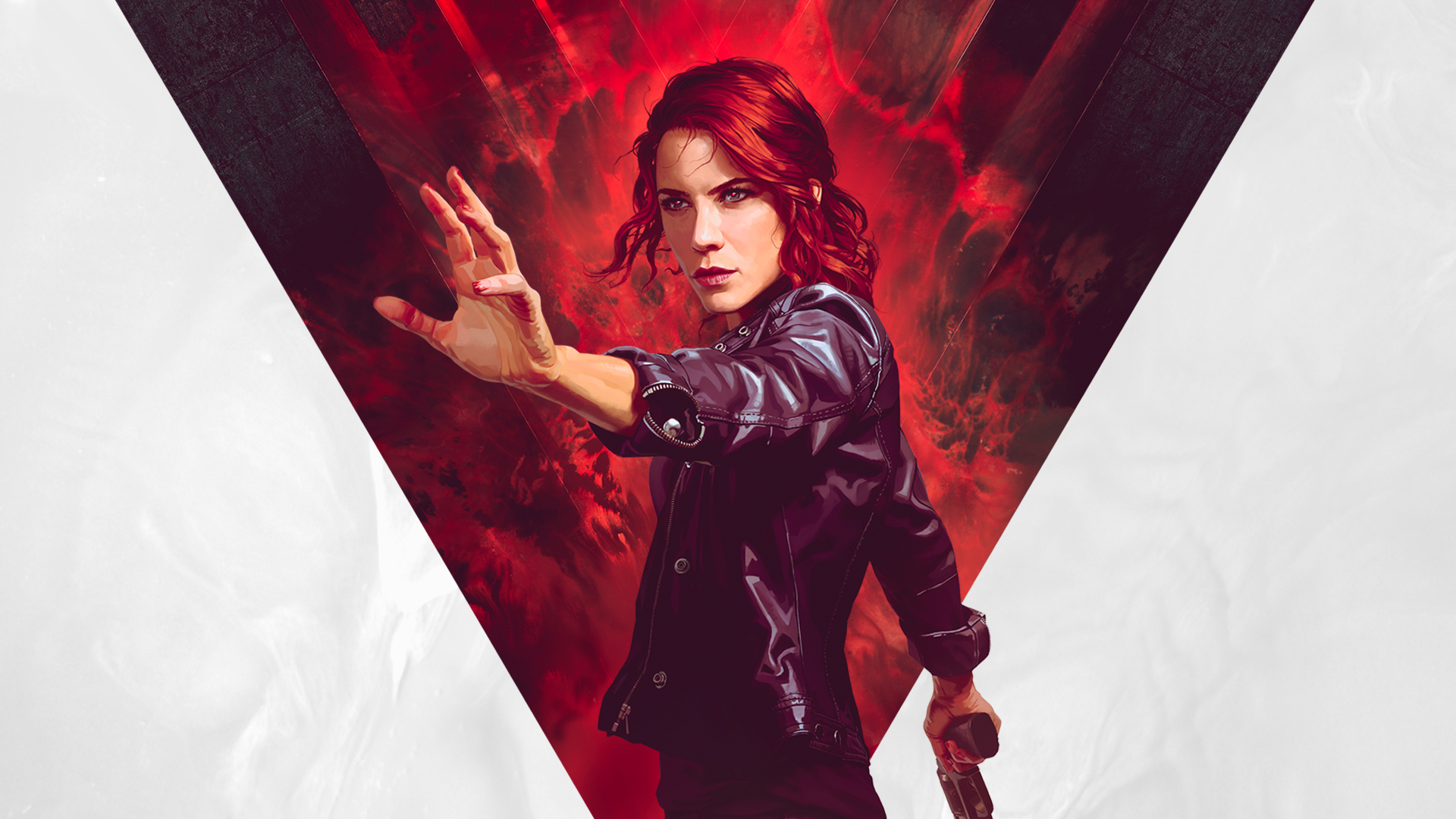
Control is a third-person supernatural action-adventure from Remedy Entertainment where you play as Jesse Faden exploring and fighting inside the Oldest House, a brutalist federal building that constantly shifts and rearranges itself. Combat mixes telekinetic powers, environmental destruction, and a morphing Service Weapon against the invasive Hiss forces. Players typically move through linear story missions and optional side quests while hunting collectibles and unlocking new abilities, often replaying sections or expansions on higher difficulties to appreciate the atmospheric storytelling.
What makes Control demanding for PC hardware is the combination of reactive physics, high particle counts during combat, and advanced lighting. Throwing objects, shattering environments, and triggering large explosions creates simultaneous loads on physics calculations and rendering. The Northlight engine heavily utilizes volumetric effects, dynamic shadows, and ray-traced reflections that look spectacular but drive up GPU workload and VRAM usage. Even at moderate resolutions, enabling maximum or high settings can cause texture streaming stutters or frame-time spikes in dense fights if the graphics card lacks sufficient power or the storage is too slow for rapid world changes.
Common pain points include frame drops when destruction and enemy swarms overlap, or noticeable hitching during large environment transitions. Many players underestimate how much GPU headroom ray tracing and high texture quality consume, leading to compromises on the exact visual features the game is known for. A sensible PC for Control therefore needs a modern GPU with good upscaling support like DLSS, fast storage to keep loading seamless, and enough system RAM to handle texture streaming reliably without dipping into slower storage.