About this scenario
What matters for Counter-Strike: Source
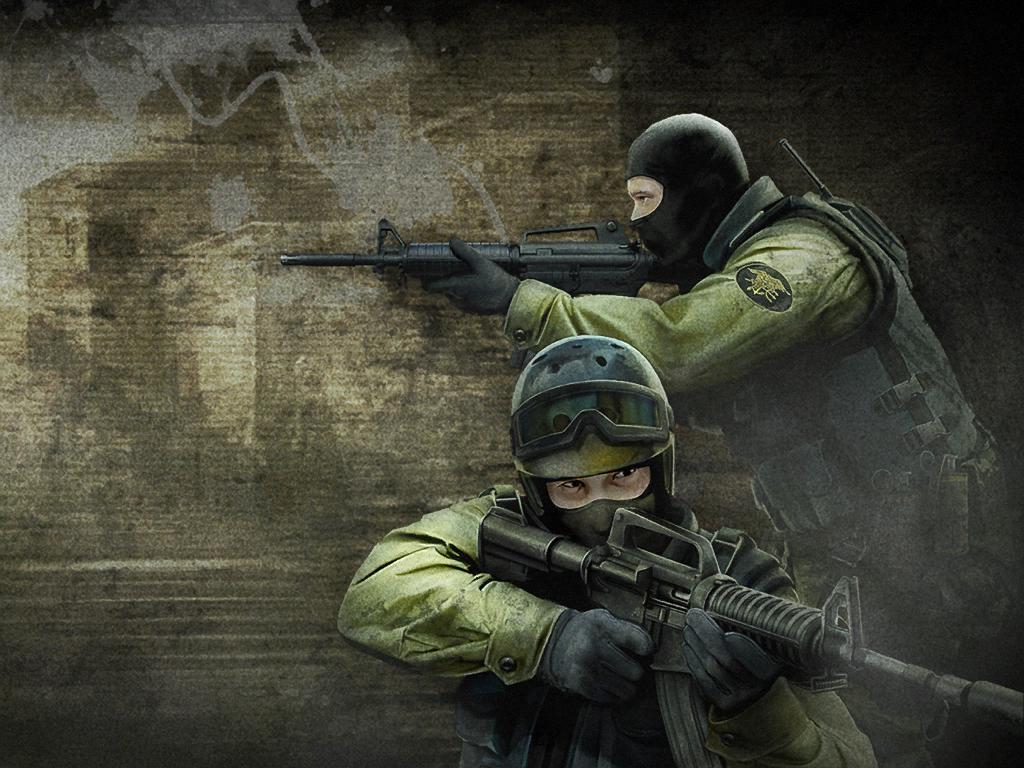
Counter-Strike: Source is a 2004 tactical multiplayer first-person shooter built on Valve's Source engine. It pits Counter-Terrorists against Terrorists in round-based matches focused on objectives like bomb defusal or hostage rescue, with no respawns until the round ends. An economy system forces smart weapon purchases each round, making positioning, precise aiming, strafing, and recoil control far more important than visual spectacle.
Players typically experience the game on community servers running competitive matchmaking, casual deathmatch, or popular mods such as surf, jailbreak, or custom maps. These servers often host 10–32 players, generating constant physics calculations, player movement updates, and network traffic. Because the engine is strongly single-threaded, CPU performance determines how smoothly the simulation runs during chaotic moments like multiple smoke grenades or heavy gunfire. Visual settings have surprisingly little impact on frame delivery, which is why competitive players run low graphics options focused on visibility and maximum frame consistency.
Common pain points today include stuttering or hitches on modern hardware when default network rates are not optimized, or when older single-core CPUs hit their limit during busy rounds. Many newcomers mistakenly over-invest in powerful GPUs expecting modern-game demands, only to discover the title remains primarily CPU-bound. Before choosing a PC, understand that stable high frame rates, low input lag, and freedom from micro-stutter matter more than raw resolution or graphical fidelity. A sensible system therefore emphasizes a modern CPU architecture with strong single-core throughput, adequate but not excessive GPU power, and enough fast RAM to prevent the engine from paging to storage during modded play.