About this scenario
What matters for Don't Starve Together
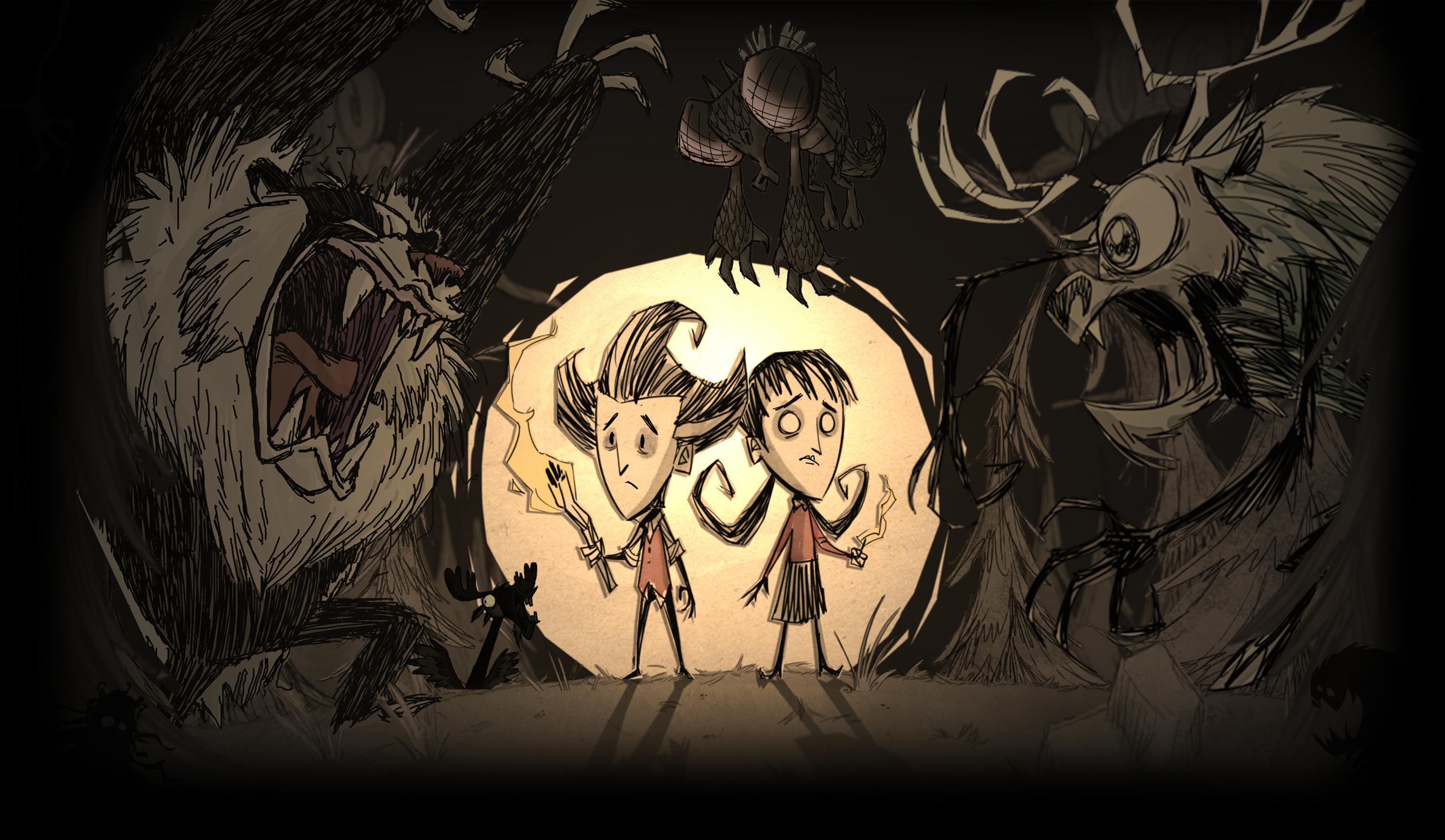
Don't Starve Together is a multiplayer survival adventure where players gather resources, craft tools, build bases, and manage hunger, health, and sanity in a harsh, procedurally generated wilderness that changes with day-night cycles and seasons. Most players join friends on private or public servers for cooperative play, spending dozens or hundreds of hours in a single world as they progress from basic camps to elaborate bases filled with farms, machines, and specialized structures. The game structure encourages long-term persistence, with procedural biomes, underground caves, and periodic boss fights that require preparation and timing.
Performance load comes primarily from the game's custom engine tracking every creature, item, and structure on the map. As days pass and your base grows, entity counts rise dramatically, which increases CPU demands and can cause gradual slowdowns or stuttering during critical moments like seasonal transitions or combat. Mods from the Steam Workshop are extremely common for adding quality-of-life features, new characters, or content, but they often add extra scripts and assets that further tax memory and processing. Multiplayer stability also benefits from a responsive system that avoids input lag when building or fighting.
Many players run into late-game lag after accumulating too many entities or installing heavy mod packs without enough system resources. A common misunderstanding is thinking the stylized 2D art means almost any PC will suffice indefinitely, when in reality the simulation side becomes the real bottleneck over extended play. Before choosing hardware, understand that this general scenario benefits from focusing on CPU strength and RAM capacity for mod compatibility and long-term smoothness rather than a powerful GPU.