About this scenario
What matters for DOOM (2016)
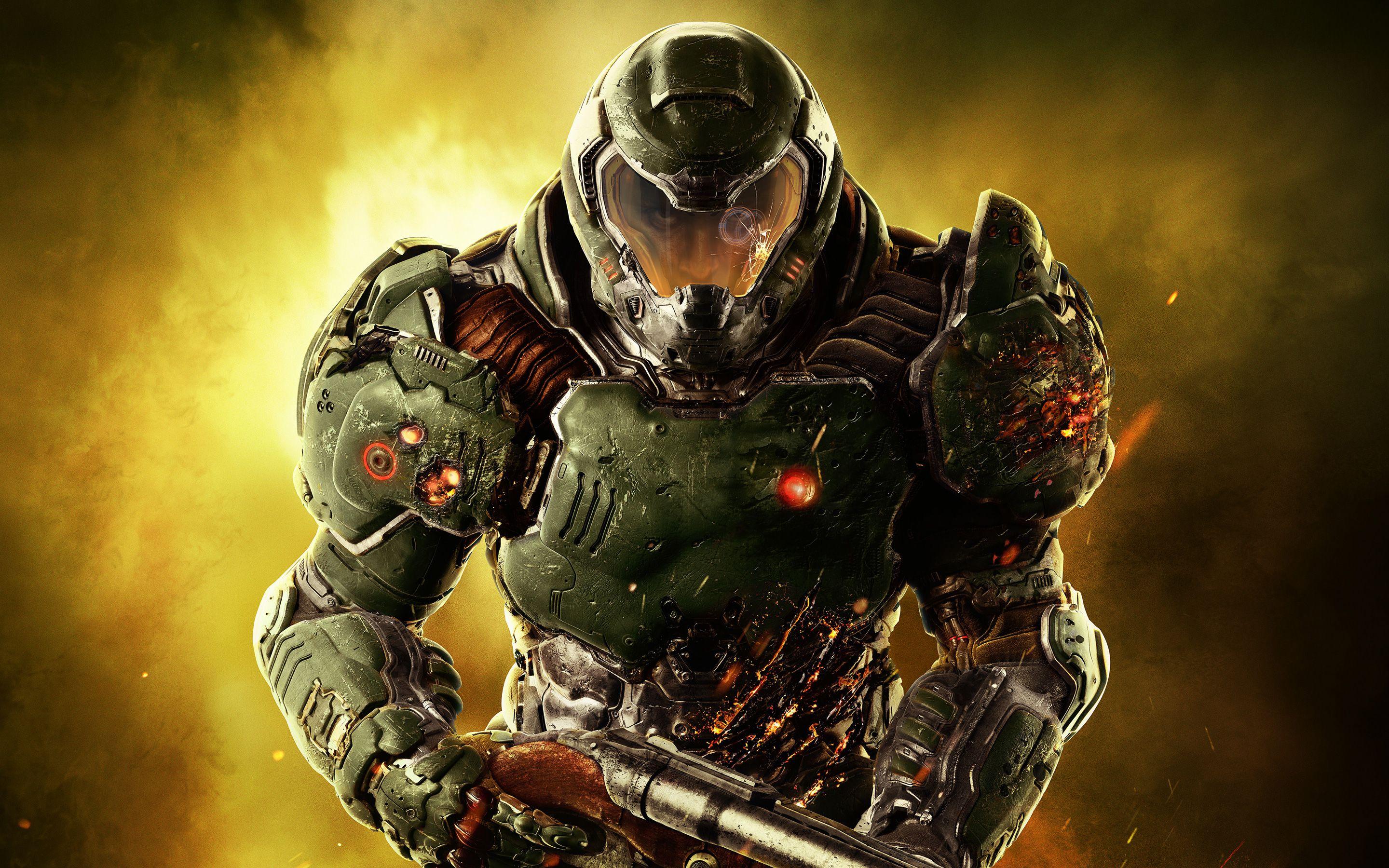
DOOM (2016) is a single-player focused first-person shooter built on id Tech 6 that emphasizes aggressive, momentum-driven combat. Players rip and tear through linear campaign levels filled with arena-style encounters against hordes of demons, using fast movement, glory kills to regain health, and a wide arsenal of heavy weapons. Most players spend the majority of their time in the campaign, with occasional multiplayer matches or SnapMap creations adding variety, but the core experience is close-quarters chaos where every fraction of a second counts.
At 1080p this game remains the most popular and accessible way to play. The resolution keeps input latency low and frame rates high, which is critical for the game's emphasis on constant motion and precise aiming. However, the real demands show up during peak combat: dense enemy groups, explosive particle effects, dynamic lighting, and shadow calculations all create load. CPU spikes are especially noticeable in later levels when multiple heavy demons and projectiles fill the screen, often leading to stutter if the processor cannot keep up with AI and physics work.
Common pain points include micro-stuttering in crowded rooms even on GPUs that seem fast enough on paper, and VRAM pressure if settings are pushed too high on older 8GB or lower cards. Many builders mistakenly chase maximum visual settings while ignoring CPU headroom, only to find the game feels less responsive than it should. Before choosing parts, understand that DOOM (2016) rewards consistent minimum frame rates and low latency over raw 4K detail or ultra-high refresh records. A sensible 1080p PC therefore needs balanced components that eliminate CPU bottlenecks while comfortably handling the GPU workload of shadows, particles, and effects at high or ultra presets.