About this scenario
What matters for Dota 2 (1440p)
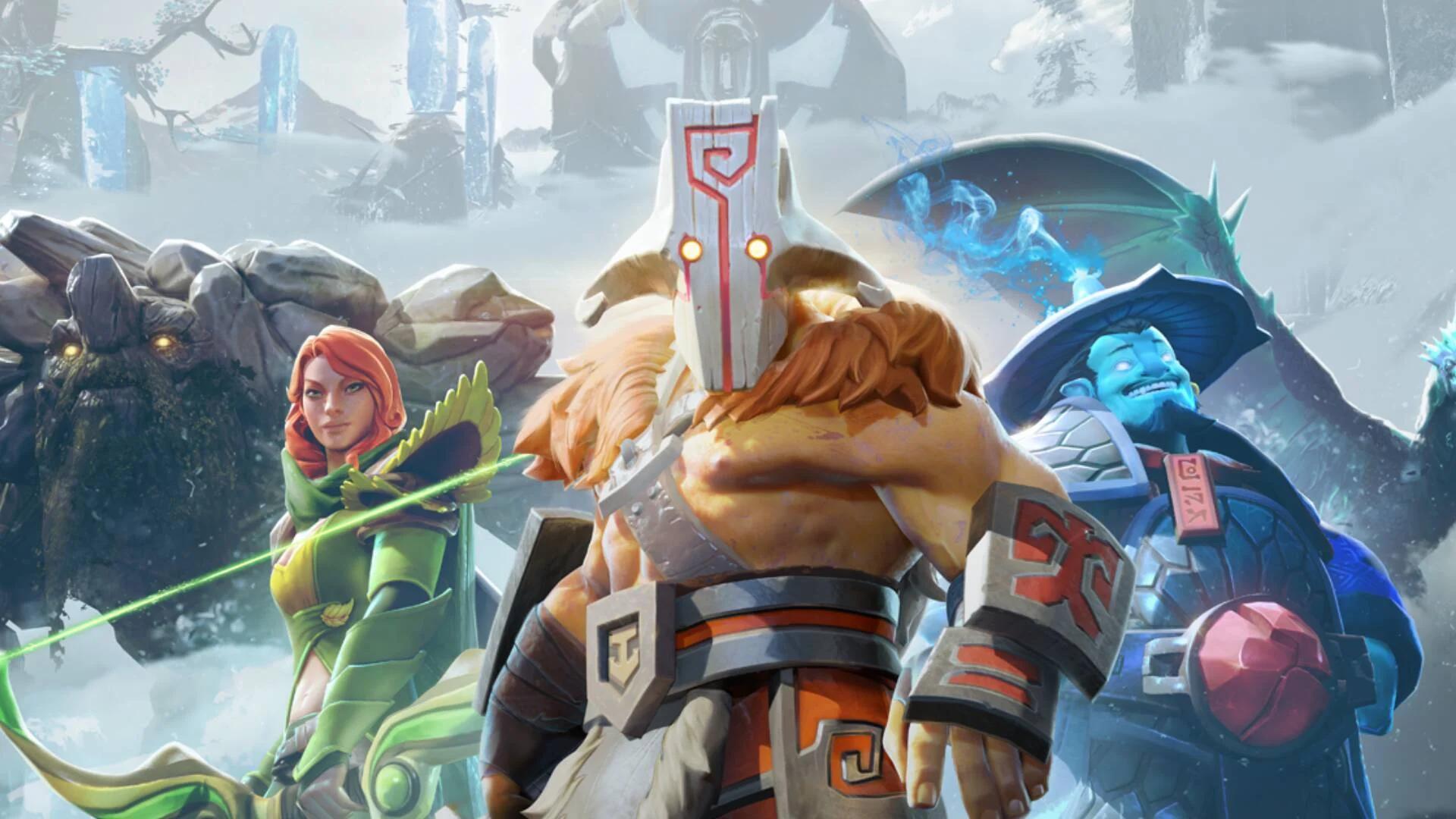
Dota 2 is a free-to-play 5v5 MOBA where two teams compete on a three-lane map to destroy the enemy Ancient. Players control one of over 120 heroes with unique abilities, focusing on last-hitting creeps for gold and XP, strategic item builds, map positioning, and coordinated teamfights that can last several intense minutes. Most players spend their time in ranked matchmaking chasing MMR or in unranked and Turbo modes for quicker sessions, with matches typically lasting 20–60 minutes.
At 1440p the increased pixel count makes it easier to spot illusions, track projectiles, and read the minimap during chaotic fights, but it also raises the rendering demand on the GPU compared to 1080p. The Source 2 engine drives most of the performance load through dense particle effects, multiple overlapping abilities, and heavy simulation of units and scripting. In large teamfights these elements can cause CPU spikes and occasional stutters if the system is not balanced properly. Visual settings matter less than consistent frame pacing for competitive players, yet many still appreciate the sharper hero silhouettes and cleaner ability visuals that 1440p delivers.
Common pain points include low GPU utilization that leaves expensive cards underused, CPU bottlenecks when too many effects overlap, and input lag when frame times become inconsistent. New builders often overspend on high-end GPUs expecting big gains only to discover the real limits come from single-thread CPU performance and engine-level efficiency. Before choosing a PC for 1440p Dota 2, understand that the goal is stable high frame rates with quick loading between matches, not maxed-out graphics; a system tuned for responsiveness and clarity at this resolution will give a tangible edge in high-level play.