About this scenario
What matters for For Honor
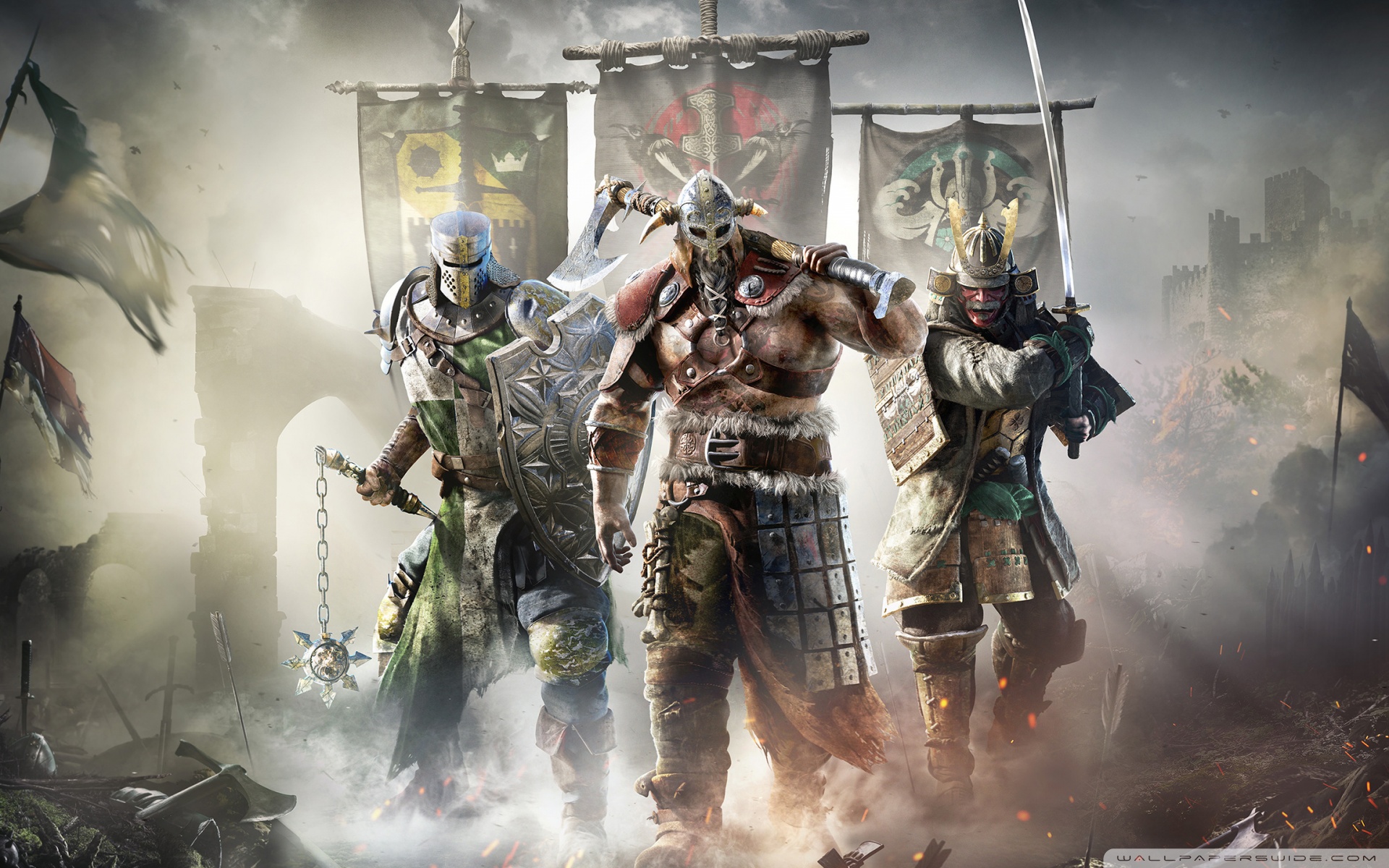
For Honor is a live-service third-person melee combat game where players control Knights, Vikings, or Samurai in skill-based directional fighting. The core gameplay revolves around the Art of Battle system—precise attacks, blocks, parries, and guard switches that demand perfect timing and quick reactions. Most players focus on online multiplayer, especially 4v4 Dominion matches that blend player duels with waves of AI soldiers, or ranked 1v1 duels for competitive progression. Occasional single-player campaign or arcade modes provide variety, but the heart of the experience is online PvP with seasonal updates, hero reworks, and battle passes keeping the community active into Year 10.
In practical PC terms, the game feels best when every input registers instantly and the view stays smooth during chaotic team fights. Performance load comes primarily from CPU-heavy animation processing and AI behavior in crowded Dominion maps, while GPU demand scales more modestly with resolution, anti-aliasing, shadows, and particle effects from feats and executions. Stuttering or frame-time spikes here aren't just annoying—they directly hurt your ability to land timely parries or deflects, turning close matches into frustrating losses.
Common pain points include CPU bottlenecks during large-scale battles that cause hitches even on GPUs that look powerful on paper, and players who over-prioritize graphics settings at the expense of consistent responsiveness. Many underestimate how much a modern processor helps with the game's animation systems and network sync. Before choosing a PC, understand that For Honor rewards balanced hardware that keeps frame rates steady and input lag low over maxed-out visuals, especially if you play competitively or spend most of your time in group modes.