About this scenario
What matters for Hitman 2
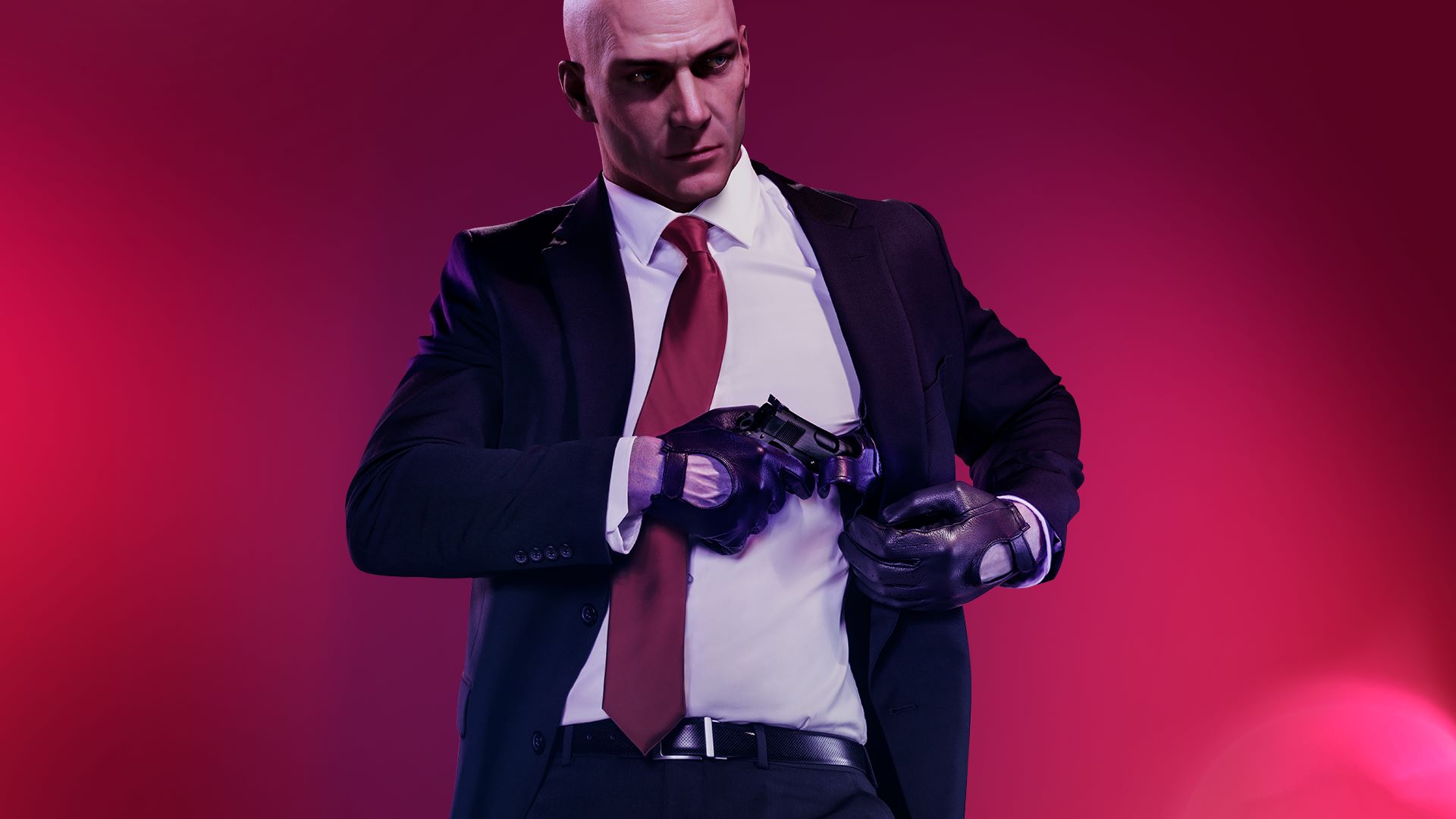
Hitman 2 is a stealth-action sandbox built on IO Interactive's Glacier 2 engine, where Agent 47 infiltrates detailed, open-ended levels packed with NPCs, environmental interaction, and multiple assassination routes. At 1080p, the game is a comfortable fit for modern mainstream hardware, but understanding what actually drives load helps you avoid common frustrations.
The GPU handles the heaviest visual elements: shadow quality, screen-space ambient occlusion, reflections, and level-of-detail settings all push graphically harder than the base render target. Cranking these up looks great and does not demand a flagship card at 1080p. The CPU, meanwhile, bears the real brunt in crowd-heavy missions like Mumbai or Miami, where dozens of AI agents simulate behaviors simultaneously. A processor that cannot keep pace there will cause momentary hitches that break the methodical flow the game is built around.
RAM and storage requirements are modest, though an SSD noticeably improves mission reloads during replays. Many players chase challenges and creative kill paths across repeated playthroughs, so quick restarts matter more than extreme frame rates. Overall, Hitman 2 rewards a balanced 1080p gaming PC rather than a top-end rig, and the classic beginner mistake is skimping on CPU quality while chasing a bigger GPU that the game will never fully tax at this resolution.
Performance priority
Stable frame pacing with headroom for high visual settings in crowd-dense missions
Component focus
A mid-range GPU like the RTX 5060 Ti comfortably drives shadows, SSAO, and reflections at 1080p, while a solid six-core processor like the Ryzen 5 9600X keeps NPC simulation spikes from turning into stutters. Together they form the backbone of a build that does not overspend on parts the game cannot actually use at this resolution.