About this scenario
What matters for LEGO The Hobbit
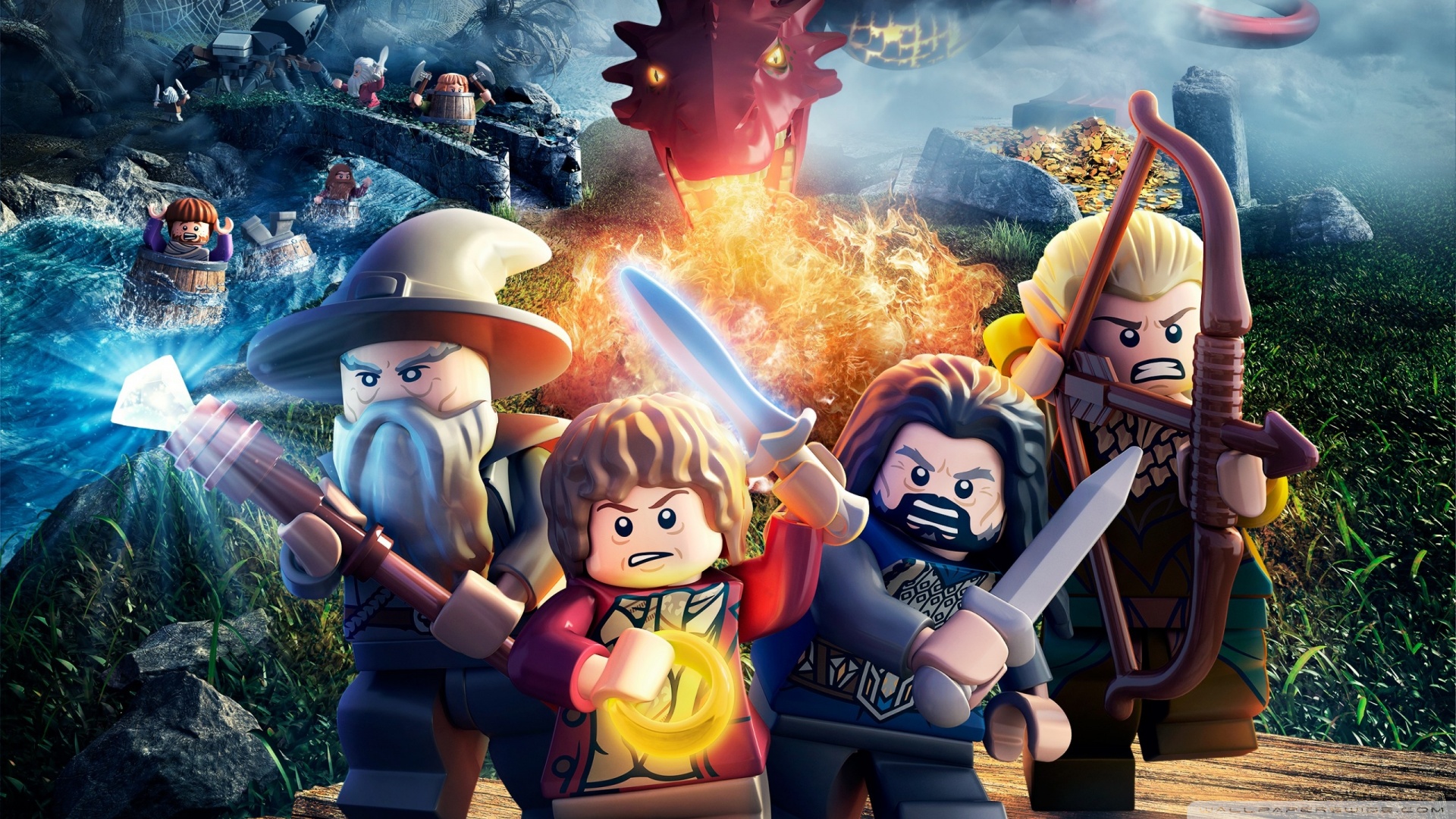
LEGO The Hobbit is a light-hearted action-adventure game that recreates the first two Hobbit films through story-based levels and an open-world hub for exploration, puzzle-solving, and collectible hunting. Players switch between characters like Bilbo and the dwarves, using unique abilities to smash environments for studs, solve simple puzzles, and battle enemies in scenes pulled straight from the movies. Most people play it casually in single-player or local two-player co-op, finishing the main story before returning to free-play mode to track down every minikit, treasure, and character unlock.
At 1440p the game's stylized plastic LEGO visuals become noticeably sharper, with reduced jagged edges on character models and clearer distant landmarks across the hub areas. This resolution improves the sense of scale when scanning for hidden collectibles in places like the Trollshaws or Lake-town. The main performance loads come from particle effects during large-scale smashing sequences, draw calls from foliage and crowds in open zones, and lighting in darker caves or forest interiors. Because the game uses a 2014-era engine with DX9/DX11 fallback, it scales well with resolution but can show stuttering or inconsistent pacing on underpowered GPUs when anti-aliasing and anisotropic filtering are turned up.
Common pain points include brief hitches in dense areas on weaker hardware and occasional VSync-related frame pacing issues that disrupt precise platforming or timing-based combat. Many players overestimate the game's demands because of its open-world structure and end up building far more powerful systems than necessary. Before choosing parts, understand that smooth 1440p play here is more about consistent GPU headroom for effects and draw distance than raw CPU speed or extreme frame rates.