About this scenario
What matters for Mortal Kombat X
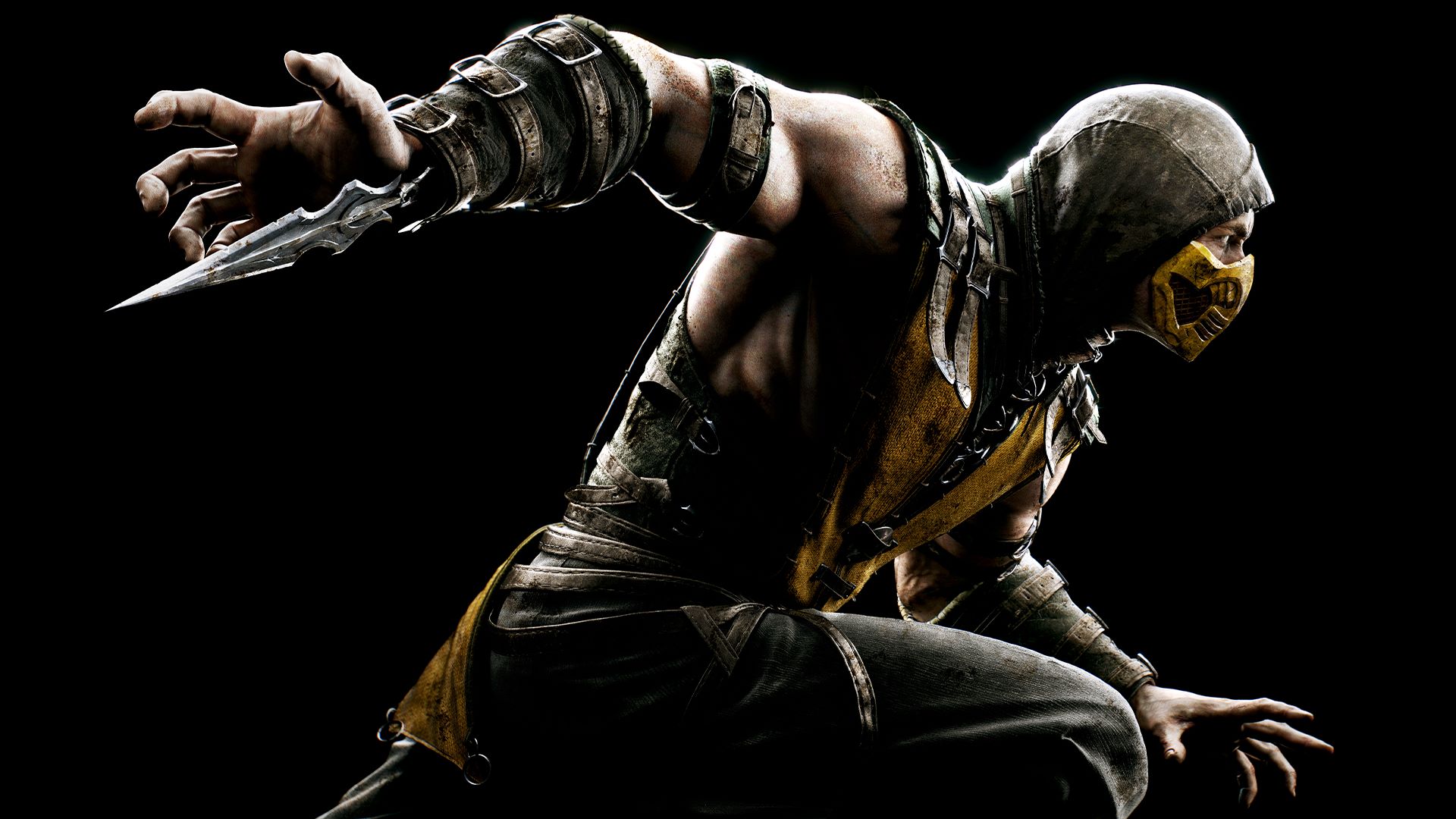
Mortal Kombat X is a fast-paced 2.5D fighting game built on a modified Unreal Engine 3. Players switch between three character variations that change moves and playstyles, then execute precise combos, special attacks, and brutal cinematic finishers. Whether grinding arcade towers, progressing through story mode, or competing in ranked online matches and local tournaments, the experience centers on reaction timing and input accuracy rather than open-world navigation or heavy simulation.
At 1440p the game's visual strengths become more apparent: skin and armor textures look sharper, blood and gore effects gain clarity, and stage details stand out during interactive background moments. The increased resolution amplifies VRAM and shader demands, especially when particle systems ignite during fatalities or when motion blur and shadow quality are left at higher presets. Although the patched version runs efficiently on modest hardware, dense arena effects can still create brief GPU spikes that affect frame consistency if the graphics card lacks headroom.
Competitive players feel these hitches immediately because even small frame-time instability disrupts combo timing and blocking windows. Common pain points include perceived stuttering during X-ray sequences (some of which still lock lower internally) and online latency compounding with local performance issues. Many builders mistakenly over-invest in high-core CPUs expecting simulation-like demands, but the game places very low stress on the processor and benefits far more from a capable GPU paired with fast RAM.
Before choosing parts, understand that 1440p success in Mortal Kombat X comes from balancing resolution, visual settings, and frame stability. The goal is a system that lets you keep particle quality, shadows, and anti-aliasing enabled without dipping into uncomfortable stutter during long sessions or ranked sets.