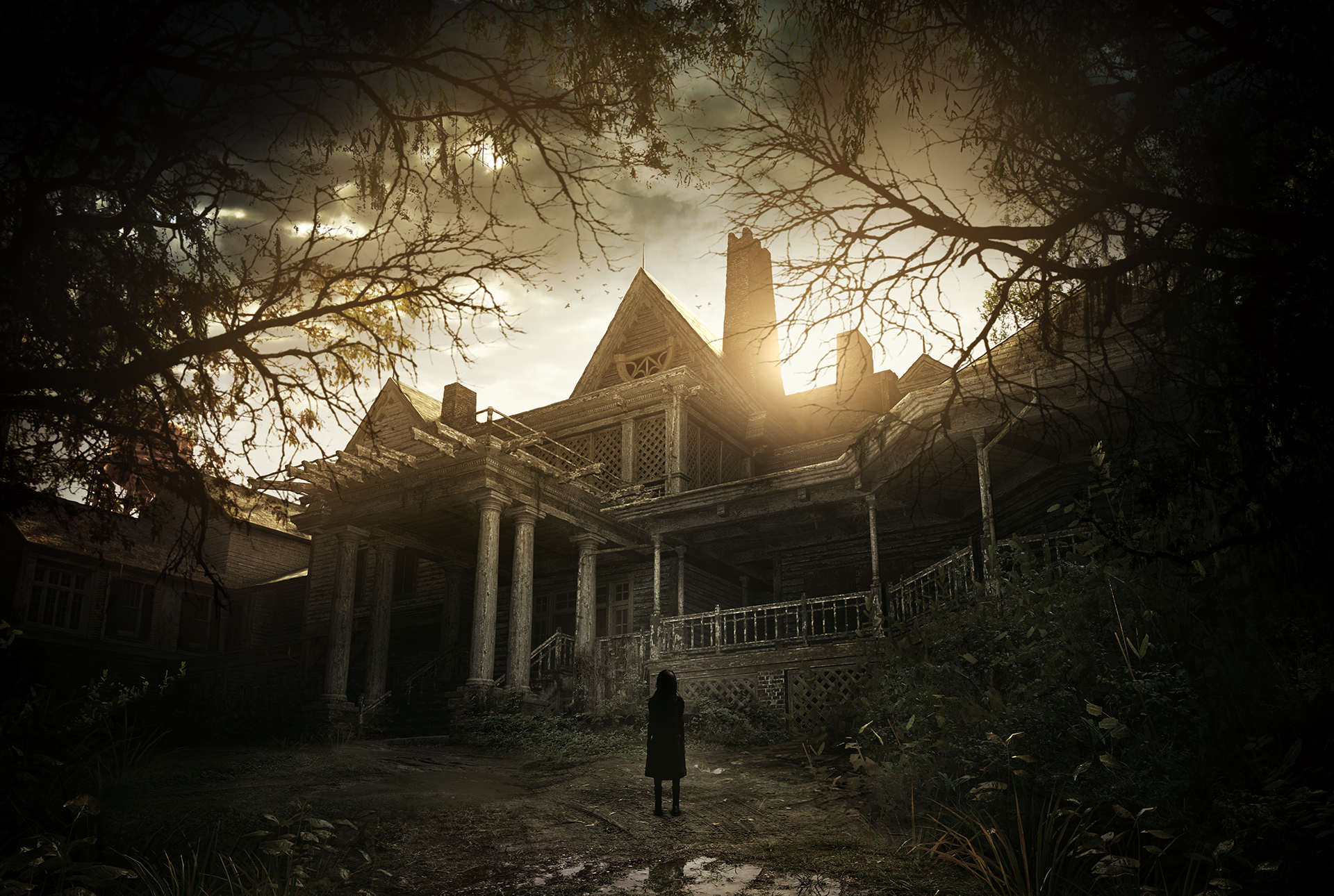
Source: RAWG
Page Summary

Best Gaming PC for Resident Evil 7: Biohazard

This page recommends a balanced mid-range gaming PC for Resident Evil 7: Biohazard that prioritizes visual stability and atmospheric immersion in its tense first-person survival horror campaign. The build pairs a capable AMD CPU with a high-VRAM Radeon GPU and fast SSD to handle the game's heavy texture streaming and ray tracing without breaking the slow-burn dread. It delivers consistent performance in dark, confined spaces where every shadow and detail heightens the fear.

Recommended Build: Balanced RE7 Horror Build
Estimated Budget: $1,700.00
About this scenario

What matters for Resident Evil 7: Biohazard (General)

Resident Evil 7: Biohazard is a first-person survival horror game where you control Ethan Winters as he explores a decaying Louisiana plantation house filled with a cannibal family and grotesque Molded creatures. The linear single-player campaign mixes careful exploration, resource-scarce combat, and environmental puzzles, all designed to build dread through close-quarters tension. Most players complete it as one focused playthrough on normal difficulty, often wearing headphones to heighten the audio cues and atmosphere, then return for DLC or the optional VR mode that amplifies every scare. Performance is critical because the game’s horror depends on unbroken immersion. Stuttering during room transitions or texture pop-in instantly shatters the carefully crafted tension, especially when navigating dark hallways or encountering sudden threats. The RE Engine is particularly demanding on VRAM due to its constant texture streaming of high-detail assets and lighting. Ray tracing added in the 2022 update further increases GPU load through realistic reflections and shadows in confined interiors. The game is relatively light on CPU needs thanks to limited enemies and straightforward AI, but slow storage creates noticeable hitches on HDDs or low-VRAM cards that force texture downgrades. Common pain points include micro-stutters on older drives, VRAM exhaustion causing low-resolution assets during loads, and visual instability in dark areas that weakens the photorealistic dread. Before choosing a PC, understand that this is a game where stable frame pacing and consistent high texture quality matter far more than chasing maximum frame rates. A sensible build therefore focuses on ample VRAM, fast storage, and enough GPU power to support modern settings without overspending on extreme components for a 2017 title that runs well on balanced modern hardware.
Performance priority
Visual Stability and Texture Quality
Component focus
A GPU with at least 16GB VRAM combined with a fast SSD matters most because the RE Engine streams high-resolution textures during frequent room transitions and relies on VRAM to avoid pop-in and stuttering in immersive horror sequences.
Recommended build

Balanced RE7 Horror Build

CPU
AMD Ryzen 5 9600X 6-Core 12-Thread 3.9GHz AM5 65W CPU
GPU
PowerColor AMD Radeon RX 9070 XT Gaming 16GB
Cooler
Thermalright Peerless Assassin 120 SE ARGB CPU Air Cooler
Motherboard
ASUS Prime B650-PLUS WIFI Motherboard
RAM
Patriot Viper Elite 5 16GB DDR5-6000 RAM Kit
Storage
Kingston NV3 1TB M.2 2280 PCIe SSD
Case
Montech AIR 903 BASE E-ATX Mid Tower Case High Airflow
PSU
Thermaltake GF1 (2024) 850W Fully Modular ATX Power Supply
Why we chose it

Why this build makes sense

This build is designed for players who want to experience Resident Evil 7 with high visual settings and ray tracing enabled while maintaining the smooth, hitch-free performance that preserves horror immersion. It accepts a modest power envelope and sensible component choices instead of flagship parts, focusing budget where the RE Engine actually creates load: texture handling and storage speed. The result is a cohesive system that avoids common mistakes like insufficient VRAM or slow drives without wasting money on unnecessary high-end extras. The AMD Ryzen 5 9600X provides more than enough CPU performance for the game’s light AI and limited on-screen actors, leaving headroom for background tasks or future titles while the Radeon RX 9070 XT with 16GB of VRAM directly addresses the title’s high VRAM sensitivity. This GPU handles the constant texture streaming during room transitions and supports ray-traced reflections without forcing settings down, creating the stable visuals the atmosphere demands. The fast Kingston NV3 1TB SSD eliminates load stutters by feeding data quickly to the GPU, directly solving one of the most frequent complaints in the Baker estate. Surrounding these core parts, the ASUS B650 motherboard, 16GB DDR5-6000 RAM, Thermalright air cooler, and high-airflow Montech case create reliable everyday operation with good thermals. The 850W Thermaltake PSU offers stable power for the 304W GPU without excess. Together the components form a balanced whole that prioritizes exactly what Resident Evil 7 needs for immersive, uninterrupted horror rather than generic high-end specs.

Not sure if this build is right for you?

Every gamer is unique. Stop guessing and let our smart engine build a custom rig tailored exactly to your budget and the games you actually play.

Take the PCBuildQuiz!

A Note on Market Volatility

Our mission at PCBuildQuiz is to help you get maximum performance for every dollar by scanning for the best new retail prices 24/7. However, the hardware market can be unpredictable, and specific components like RAM or GPUs may experience temporary price spikes due to shortages. If a price seems unusually high, we recommend checking reputable used marketplaces or waiting for the volatility to settle because we would rather you save money than overpay for a brand new box.

Affiliate Disclaimer

Transparency is key. Some links on this page are affiliate links. This means if you click through and make a purchase, we may earn a small commission at no extra cost to you. This supports our servers and keeps our build engine free for everyone.