About this scenario
What matters for Rise of the Tomb Raider
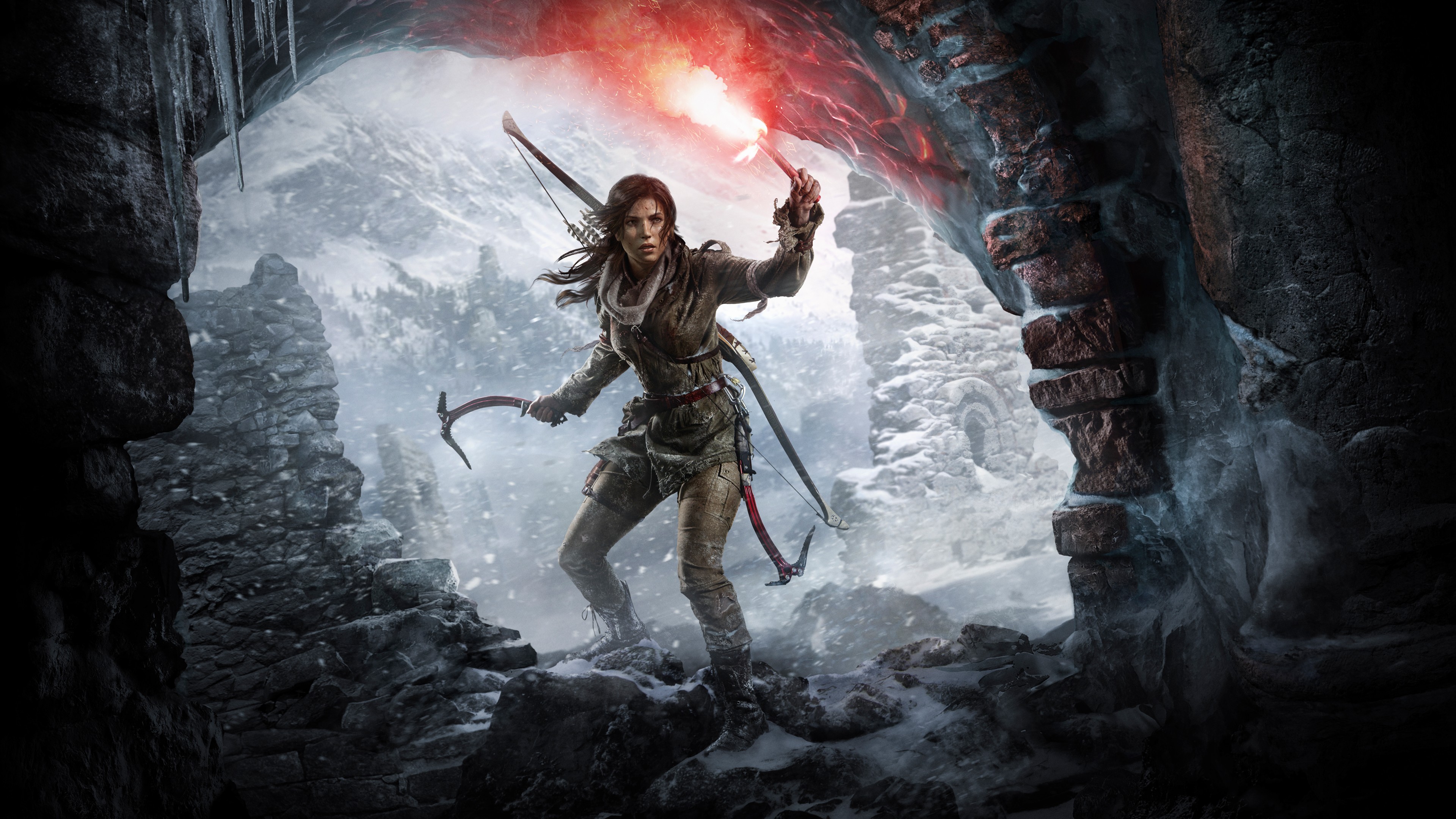
Rise of the Tomb Raider is a third-person action-adventure that follows Lara Croft through the harsh Siberian wilderness and ancient tombs. Players move through a linear campaign mixing platforming, environmental puzzle solving, stealth and gunplay combat, crafting, and exploration in semi-open hub areas. On PC the experience centers on immersion: the Foundation Engine renders detailed natural landscapes, dynamic weather, deformable snow, realistic hair, and high-resolution textures that make the world feel alive and believable.
For the general player this matters because visual fidelity and movement smoothness directly affect how engaging the story and exploration feel. Any hitching during climbs, frame drops in dense foliage, or stuttering in particle-heavy fights breaks the cinematic flow the game is known for. Load is driven primarily by the GPU due to advanced rendering like tessellated terrain, physically-based materials, ambient occlusion, and PureHair. CPU usage spikes occasionally during AI behavior or crowded scenes, but the GPU carries the bulk of the work at typical quality presets.
Common pain points include frame-time instability in vegetation-heavy outdoor zones, cutscene dips on older hardware, and VRAM pressure when maxing textures and shadows. Many players initially underestimate how much GPU headroom these GameWorks features require and end up turning down settings that define the game’s atmosphere. Before choosing a PC, understand that a sensible system needs enough graphics power to run high or ultra presets comfortably, paired with a modern multi-core CPU and fast RAM to prevent simulation or multitasking bottlenecks.
Performance priority
Balanced Visuals and Stability
Component focus
The Radeon RX 9060 XT 16GB is the centerpiece here because the game’s physically-based materials, PureHair, dynamic snow, and dense foliage are heavily GPU-driven, especially at higher texture and shadow settings.