PCBuildQuiz
Dropdown
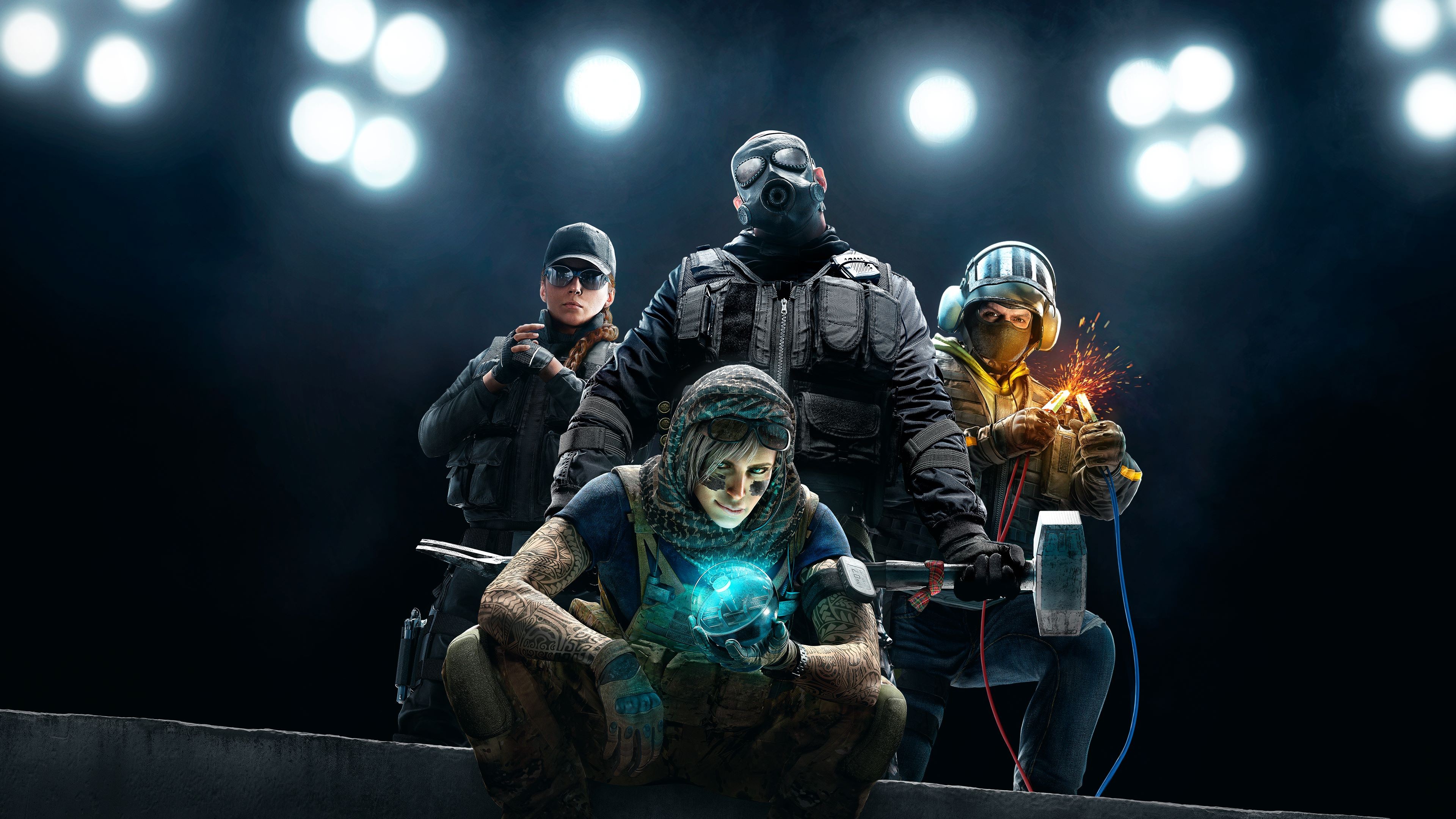
The best gaming PC for Tom Clancy's Rainbow Six Siege at 1440p pairs a capable mid-range CPU with a stronger graphics card, since the higher resolution places more rendering pressure on the GPU while still relying on solid processing for physics, destruction, and multiplayer responsiveness.
Search the game build library and jump directly to another PCBuildQuiz game guide.
Every gamer is unique. Stop guessing and let our smart engine build a custom rig tailored exactly to your budget and the games you actually play.
Take the PCBuildQuiz!Our mission at PCBuildQuiz is to help you get maximum performance for every dollar by scanning for the best new retail prices 24/7. However, the hardware market can be unpredictable, and specific components like RAM or GPUs may experience temporary price spikes due to shortages. If a price seems unusually high, we recommend checking reputable used marketplaces or waiting for the volatility to settle because we would rather you save money than overpay for a brand new box.
Transparency is key. Some links on this page are affiliate links. This means if you click through and make a purchase, we may earn a small commission at no extra cost to you. This supports our servers and keeps our build engine free for everyone.