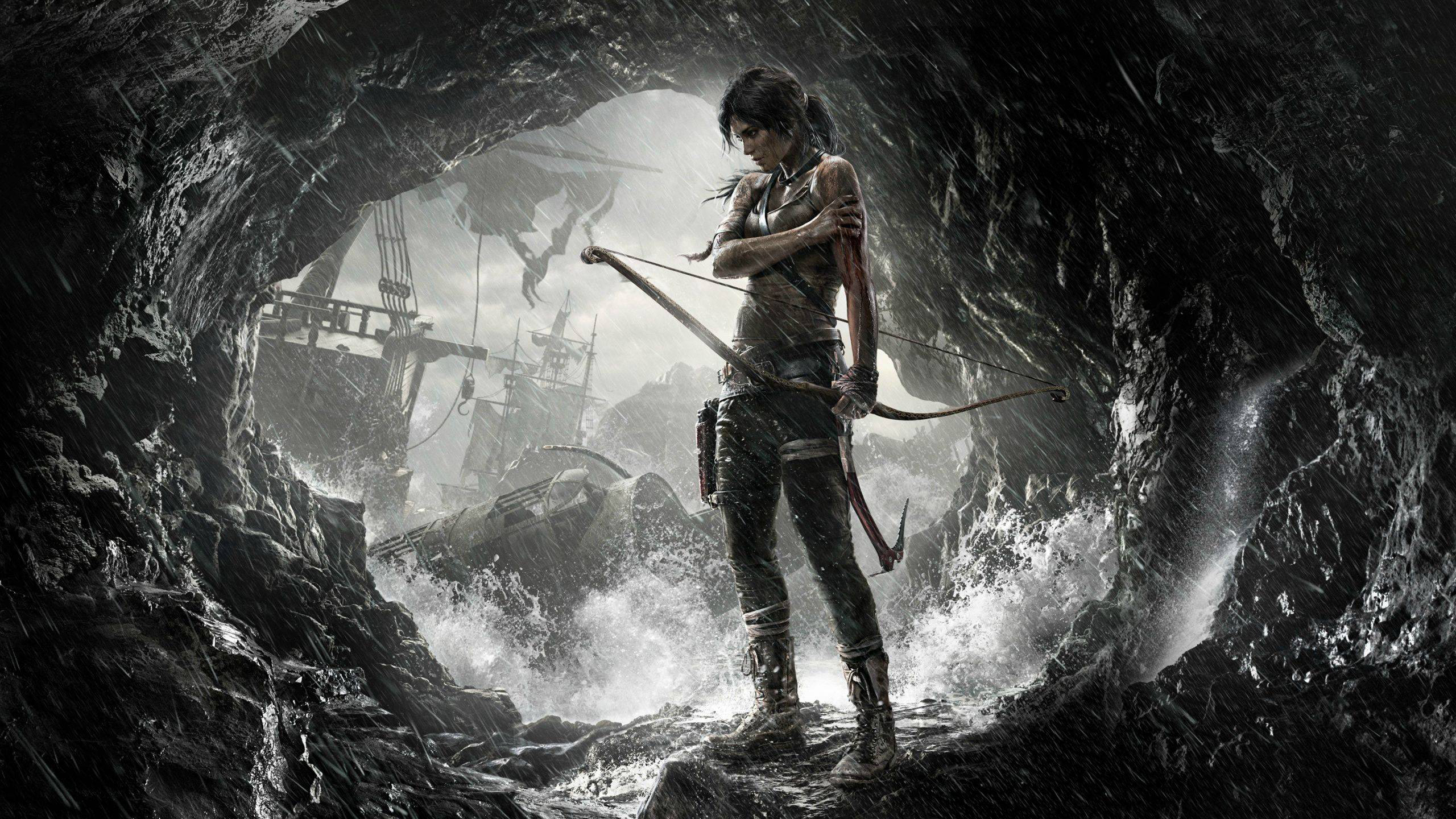
Source: RAWG
Page Summary

Best Gaming PC for Tomb Raider (2013)

This balanced mid-range PC is built to run Tomb Raider (2013) comfortably at 1080p with all DX11 features like TressFX hair, tessellation, and detailed shadows enabled. It prioritizes a strong modern GPU to eliminate stuttering during exploration and intense combat while keeping the rest of the system appropriately matched to avoid unnecessary expense on this 2013 title. The result is a stable, immersive experience across the story campaign, challenge tombs, and optional multiplayer without wasting budget on extreme components.

Recommended Build: Balanced 1080p Build
Estimated Budget: $1,400.00
About this scenario

What matters for Tomb Raider (2013) (General)

Tomb Raider (2013) is a narrative-driven third-person action-adventure that rebooted Lara Croft's origin as a shipwrecked survivor fighting for her life on the storm-lashed island of Yamatai. Players move through a linear story campaign that mixes precise third-person shooting, brutal melee takedowns, stealth sequences, physics-based climbing and platforming, crafting, and environmental puzzles inside optional challenge tombs. Many players focus on the single-player story, hunting for collectibles and upgrading gear, while a smaller group dips into the team deathmatch or survival multiplayer modes. On PC the game feels demanding in its use of lighting, foliage, character detail, and physics, especially when TressFX hair simulation, advanced shadows, SSAO, and tessellation are all turned on. These features create the rich atmosphere that makes the island feel alive, but they also drive most of the performance load. Because the camera locks into dramatic cinematic angles and many sequences require precise timing for climbing or combat, even brief stuttering breaks immersion and can make platforming feel unresponsive. This general scenario matters because Tomb Raider (2013) remains popular today through its GOTY edition and modern re-releases, yet players frequently encounter stuttering on newer hardware when settings are pushed too high without proper optimization. The engine benefits from multi-core CPU tweaks and can fall back to DX9, but the primary bottlenecks appear in dense foliage areas, during storms, or when TressFX is active. A sensible PC for this game therefore needs enough GPU power to run the visual settings that matter most without overspending on CPU or RAM that deliver little additional benefit for this title.
Performance priority
Balanced visuals and stutter-free smoothness
Component focus
A capable modern GPU is the most important part here because the Foundation engine and its DX11 effects like TressFX, SSAO, and tessellation are heavily graphics-bound at higher quality presets.
Recommended build

Balanced 1080p Build

CPU
AMD Ryzen 5 9600X 6-Core 3.9GHz AM5 65W CPU
GPU
SAPPHIRE PULSE AMD Radeon RX 9060 XT 16GB GDDR6 PCIe 5.0 Graphics Card
Cooler
Thermalright Peerless Assassin 120 SE CPU Cooler
Motherboard
ASUS Prime B650-PLUS WiFi Motherboard
RAM
Patriot Viper Elite 5 16GB DDR5-6000 RAM Kit
Storage
Kingston NV3 1TB M.2 2230 NVMe SSD
Case
Montech AIR 903 BASE E-ATX Mid Tower Case
PSU
MSI MAG A650BN 650W 80+ Bronze ATX 3.1 PCIe 5.1 PSU
Why we chose it

Why this build makes sense

The selected build delivers a practical, future-proofed solution for Tomb Raider (2013) by centering a strong mid-range GPU that easily manages the game's DX11 effects and resolution demands while pairing it with a modern, efficient CPU that far exceeds the game's modest processor needs. The AMD Ryzen 5 9600X provides six fast cores that eliminate any occasional CPU hit in crowded hub areas or during multi-core-optimized moments, but the real focus stays on the SAPPHIRE PULSE AMD Radeon RX 9060 XT 16GB, which supplies ample VRAM and rasterization performance for maxed-out shadows, SSAO, tessellation, and TressFX without breaking a sweat at 1080p. This CPU-GPU balance makes sense because the research shows Tomb Raider (2013) is clearly GPU-heavy once settings that matter (TressFX, anti-aliasing, shadows) are enabled, while even a quad-core from the game's era is enough on the CPU side. By choosing a current-generation Ryzen 5 on the AM5 platform with a B650 motherboard and fast DDR5 RAM, the system gains longevity for other games without wasting money on extreme cooling or overkill components for this specific title. The 1TB NVMe SSD ensures fast level loads, the 650W PSU comfortably supports the 160W GPU, and the Peerless Assassin cooler plus airflow case keep everything quiet and stable during long play sessions. Overall the configuration avoids the classic mistake of overbuilding around an older game while still giving headroom for every graphical preset the Foundation engine offers. The result is a coherent system that prioritizes exactly where the game needs it most and sidesteps mismatched priorities that would add cost with no noticeable benefit.

Not sure if this build is right for you?

Every gamer is unique. Stop guessing and let our smart engine build a custom rig tailored exactly to your budget and the games you actually play.

Take the PCBuildQuiz!

A Note on Market Volatility

Our mission at PCBuildQuiz is to help you get maximum performance for every dollar by scanning for the best new retail prices 24/7. However, the hardware market can be unpredictable, and specific components like RAM or GPUs may experience temporary price spikes due to shortages. If a price seems unusually high, we recommend checking reputable used marketplaces or waiting for the volatility to settle because we would rather you save money than overpay for a brand new box.

Affiliate Disclaimer

Transparency is key. Some links on this page are affiliate links. This means if you click through and make a purchase, we may earn a small commission at no extra cost to you. This supports our servers and keeps our build engine free for everyone.