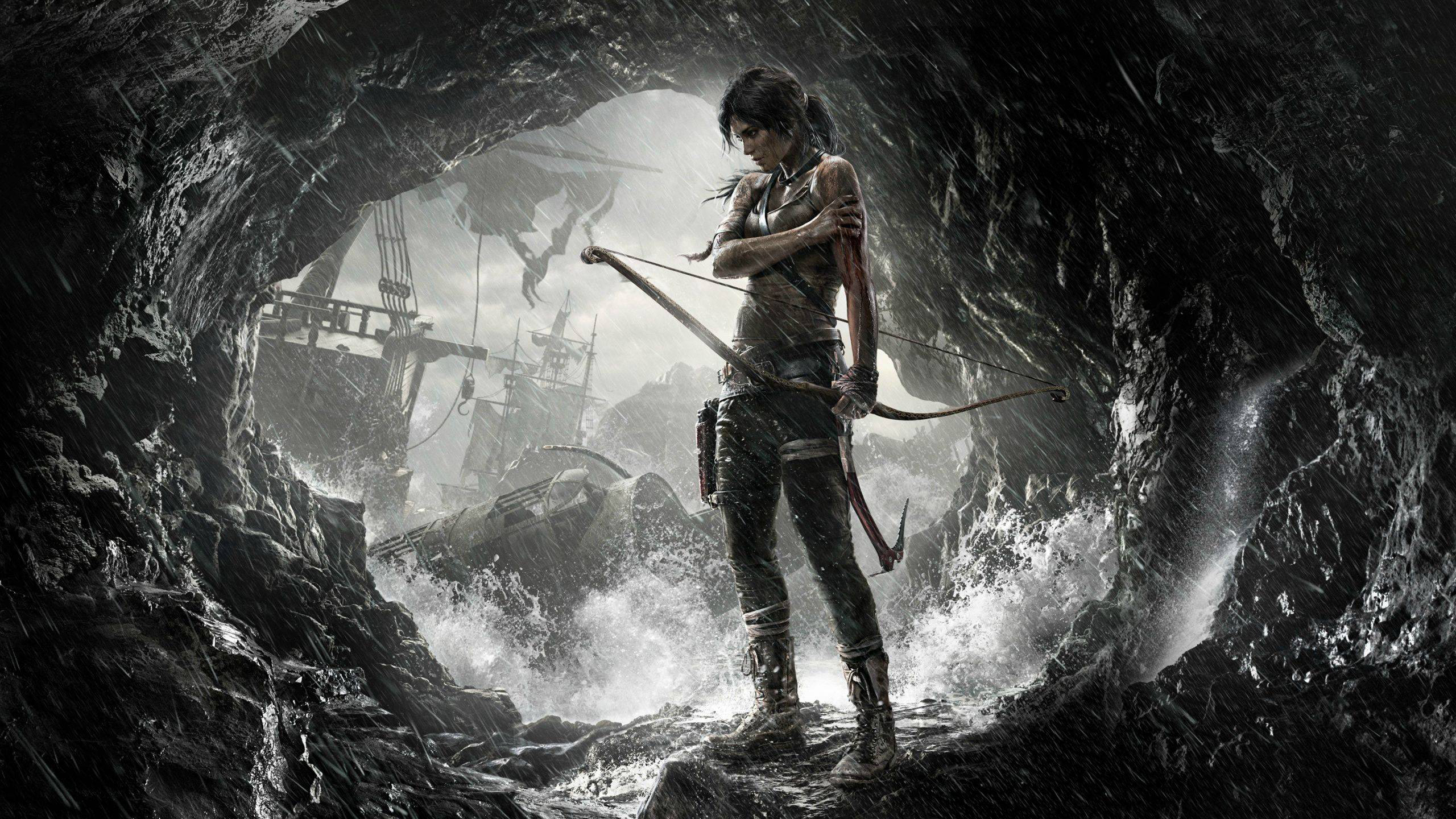
Source: RAWG
Page Summary

Best Gaming PC for Tomb Raider (2013) at 1080p

This page recommends a modern mid-range gaming PC centered on the RTX 5070 for Tomb Raider (2013) at 1080p. The build prioritizes strong GPU performance to handle the game's demanding visual effects at maximum settings while keeping the rest of the system balanced and cost-effective. It delivers the smooth traversal, responsive combat, and stable frame pacing that make Lara's origin story immersive without unnecessary expense on a 2013 title.

Recommended Build: 1080p Max Settings Build
Estimated Budget: $1,600.00
About this scenario

What matters for Tomb Raider (2013) (1080p)

Tomb Raider (2013) is a third-person action-adventure that reboots Lara Croft's origin as she survives a shipwreck on a hostile island filled with ancient tombs, hostile mercenaries, and supernatural threats. Players spend most of their time progressing through a linear story campaign that mixes third-person shooting, brutal close-quarters combat, platforming climbs, environmental puzzles, and optional challenge tombs packed with collectibles. Many players complete the main story in 12-15 hours but return for every tomb, upgrade crafting, and achievement hunting, while a smaller group still jumps into the now-Epic-supported multiplayer modes for team deathmatch or survival. At 1080p, this is the resolution where the game feels most accessible yet visually rich. The Foundation engine's DX11 features shine here, letting players enable the Ultimate preset—including the famously demanding TressFX hair that reacts realistically during movement and combat—without sacrificing responsiveness. The GPU carries most of the workload: shadows, SSAO, tessellation on rock surfaces, and anti-aliasing all add up quickly, especially during dense hub areas or set-piece storms. CPU demands remain modest on modern chips, but occasional stutter can appear in crowded scenes or on unoptimized older hardware if multi-core tweaks or the DX9 fallback aren't considered. Common pain points at this resolution include TressFX tanking frame consistency on some NVIDIA cards without driver adjustments, launcher quirks on modern Windows installs, and the temptation to overbuild with high-end components for a game that was designed around 2013 hardware. Before choosing a PC, understand that 1080p play in Tomb Raider rewards a graphics-focused system that can deliver steady pacing across exploration, bow sniping, and frantic climbing sequences rather than raw CPU cores or extreme refresh rates the engine wasn't built to fully utilize.
Performance priority
Max settings with consistent smoothness at 1080p
Component focus
The GPU is the primary focus for this scenario because Tomb Raider (2013) is GPU-sensitive at 1080p when enabling TressFX hair simulation, high-quality shadows, SSAO, tessellation, and anti-aliasing.
Recommended build

1080p Max Settings Build

CPU
AMD Ryzen 5 9600X 6-Core 3.9GHz AM5 65W CPU
GPU
MSI Shadow 3X OC GeForce RTX 5070 12GB
Cooler
Thermalright Peerless Assassin 120 SE CPU Cooler
Motherboard
ASUS Prime B650-PLUS WiFi Motherboard
RAM
Patriot Viper Elite 5 16GB DDR5-6000 RAM Kit
Storage
Kingston NV3 1TB M.2 2230 NVMe SSD
Case
Montech AIR 903 BASE E-ATX Mid Tower Case
PSU
MSI MAG A650BN 650W 80+ Bronze ATX 3.1 PCIe 5.1 PSU
Why we chose it

Why this build makes sense

This build is constructed for Tomb Raider (2013) at 1080p by pairing a capable modern GPU with efficient supporting components that avoid overkill on an older DX11 title. The RTX 5070 sits at the heart of the system because it provides ample horsepower to push every visual option—especially TressFX, tessellation, and high shadow quality—while maintaining the smooth traversal and combat responsiveness the game needs for immersion. We chose it over last-gen alternatives to future-proof the platform without spending excessively on a game that still runs well on modest hardware when properly configured. The Ryzen 5 9600X offers far more CPU performance than the game requires, but its efficiency on the AM5 platform keeps power draw low and leaves headroom for background tasks or future titles. Paired with the ASUS Prime B650-PLUS WiFi motherboard and 16GB of fast DDR5-6000 memory, the platform delivers low-latency operation that prevents the minor hub-area stutters sometimes seen on older quad-core setups. This balance ensures the GPU stays fed without creating artificial bottlenecks. Storage, cooling, case, and power delivery round out a sensible system: the 1TB Kingston NV3 NVMe SSD provides fast load times for the large island environments, the Thermalright Peerless Assassin keeps the CPU cool and quiet during extended play sessions, and the Montech AIR 903 case offers good airflow for the 250W RTX 5070. The 650W MSI MAG PSU meets the card's needs with headroom and modern ATX 3.1 compliance. Overall the configuration avoids the classic mistake of throwing flagship parts at a 2013 game, focusing dollars where they matter most for visual fidelity and consistent pacing at 1080p while keeping total cost practical.

Not sure if this build is right for you?

Every gamer is unique. Stop guessing and let our smart engine build a custom rig tailored exactly to your budget and the games you actually play.

Take the PCBuildQuiz!

A Note on Market Volatility

Our mission at PCBuildQuiz is to help you get maximum performance for every dollar by scanning for the best new retail prices 24/7. However, the hardware market can be unpredictable, and specific components like RAM or GPUs may experience temporary price spikes due to shortages. If a price seems unusually high, we recommend checking reputable used marketplaces or waiting for the volatility to settle because we would rather you save money than overpay for a brand new box.

Affiliate Disclaimer

Transparency is key. Some links on this page are affiliate links. This means if you click through and make a purchase, we may earn a small commission at no extra cost to you. This supports our servers and keeps our build engine free for everyone.