About this scenario
What matters for Warframe
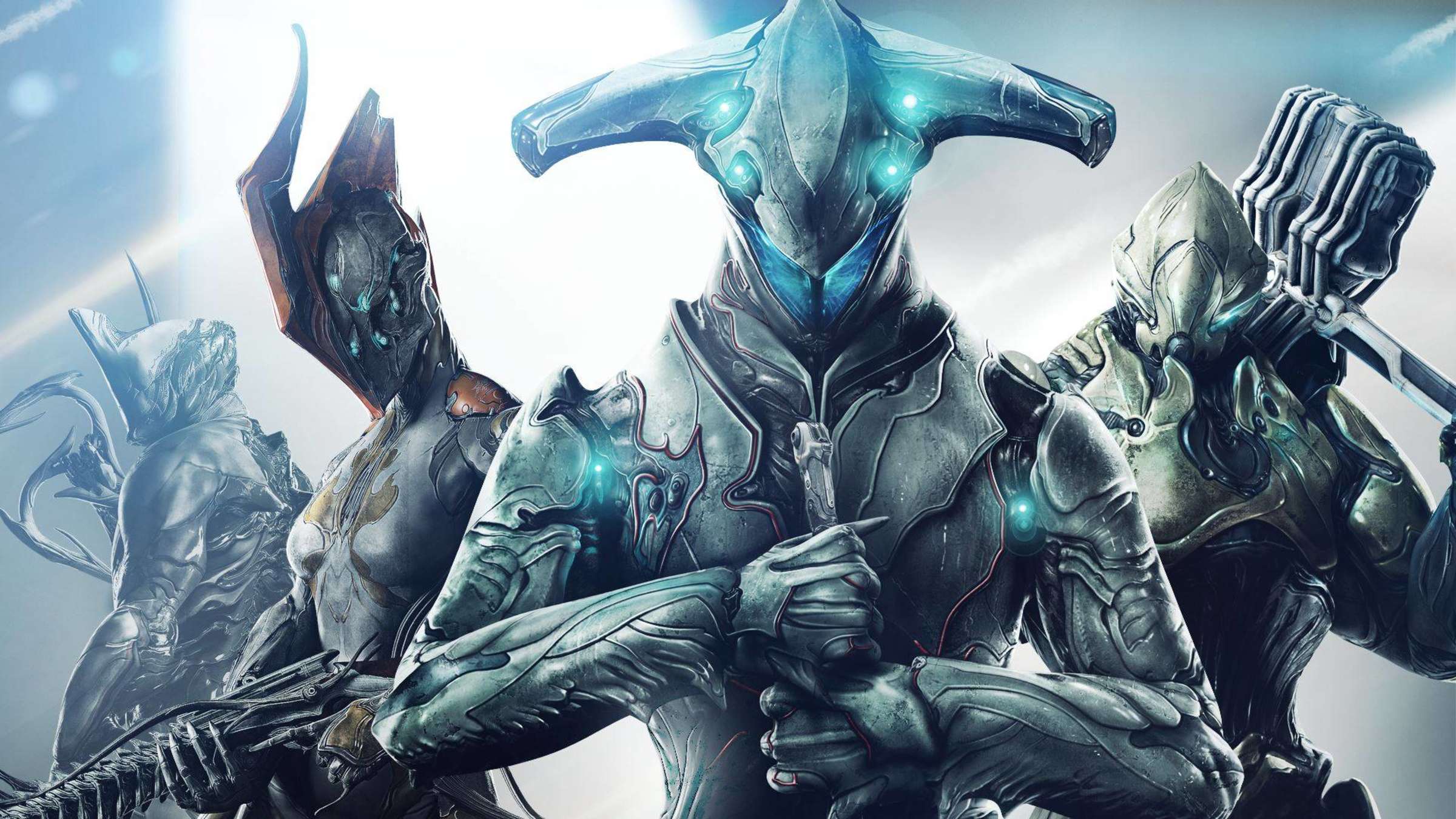
Warframe is a free-to-play third-person co-op looter-shooter in which players control customizable Warframes, using unique abilities, parkour movement, and heavily modded weapons to complete mission-based objectives across a solar system. Most players experience it as efficient solo or small-squad grinding runs: farming resources, completing quick missions, exploring open-world areas like the Orb Vallis, and tackling occasional raids or events. The core loop depends on fluidity—precise bullet jumps, rapid ability combos, and reacting instantly to enemy swarms—so any stutter or hitching breaks the momentum that makes repeated runs enjoyable.
At 1080p, the resolution most players use, the game rarely stresses modern graphics cards. Instead, performance load comes from CPU-intensive scenarios: high enemy density, complex particle effects from multiple Warframe abilities firing at once, world streaming in open landscapes, and AI calculations during crowded fights. These create frame-time spikes and occasional GPU utilization instability if the rest of the system cannot keep up. Fast storage is equally critical because Warframe features frequent mission transitions and loading screens; an HDD or slow drive turns smooth grinding sessions into frustrating downtime.
Common pain points include stuttering when particle counts explode, long load times that kill session momentum, and occasional CPU bottlenecks in new open-world content or during large co-op events. Many players mistakenly overspend on high-end GPUs expecting visual fidelity to drive the experience, when the real priority at 1080p is a capable CPU with enough threads to feed the engine, paired with fast RAM and a responsive SSD. Before choosing a PC, understand that consistent responsiveness and minimal loading directly translate to faster farming and more enjoyable co-op play than raw graphical settings ever will.