About this scenario
What matters for Borderlands
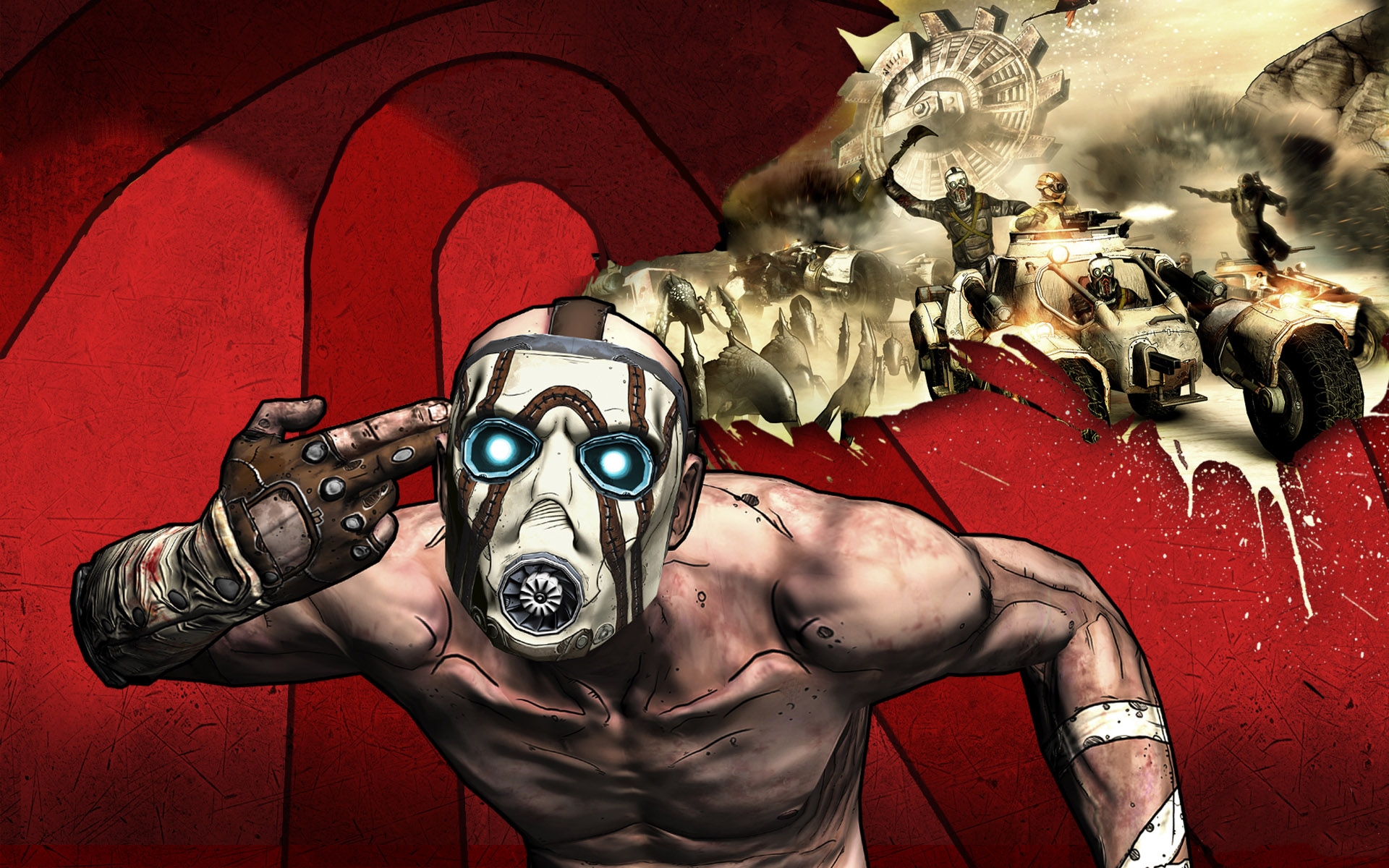
Borderlands is a 2009 first-person looter-shooter built on Unreal Engine 3, mixing RPG skill trees, billions of procedurally generated guns, and cel-shaded chaos across the planet Pandora. Most players treat it as a casual co-op experience, running through story missions solo or with up to three friends, replaying areas to farm legendary weapons, and experimenting with character builds for the humor and loot grind. On PC the game is still played through the original Steam GOTY edition, where smooth shooting feel and quick reactions matter more than ultra-sharp visuals.
High frame rates matter in Borderlands because the combat can spike with particle effects, enemy groups, and PhysX interactions that expose engine quirks. Low utilization on both CPU and GPU is common, yet sudden FPS drops and stuttering still appear in dense fights or during area transitions. A high-FPS approach reduces input lag, makes tracking fast-moving targets easier, and keeps movement fluid when dodging and sliding through bullet hell. The older engine was never designed for modern multi-core scaling, so raw per-core speed becomes more important than core count for consistent frame pacing.
Common pain points include inconsistent frame timing when explosions and loot fly across the screen, plus occasional hitching on older hardware that lacks modern compatibility. Many players mistakenly overbuild with high-end GPUs assuming the game needs them, when the real limiter is often the CPU handling the dated physics and effects code. Before choosing parts for maximum frame rates, understand that this is not a graphically demanding title; the cel-shaded art style scales gracefully, so the focus should stay on responsiveness and engine-side bottlenecks rather than raw rendering power.