About this scenario
What matters for Counter-Strike: Source (High FPS)
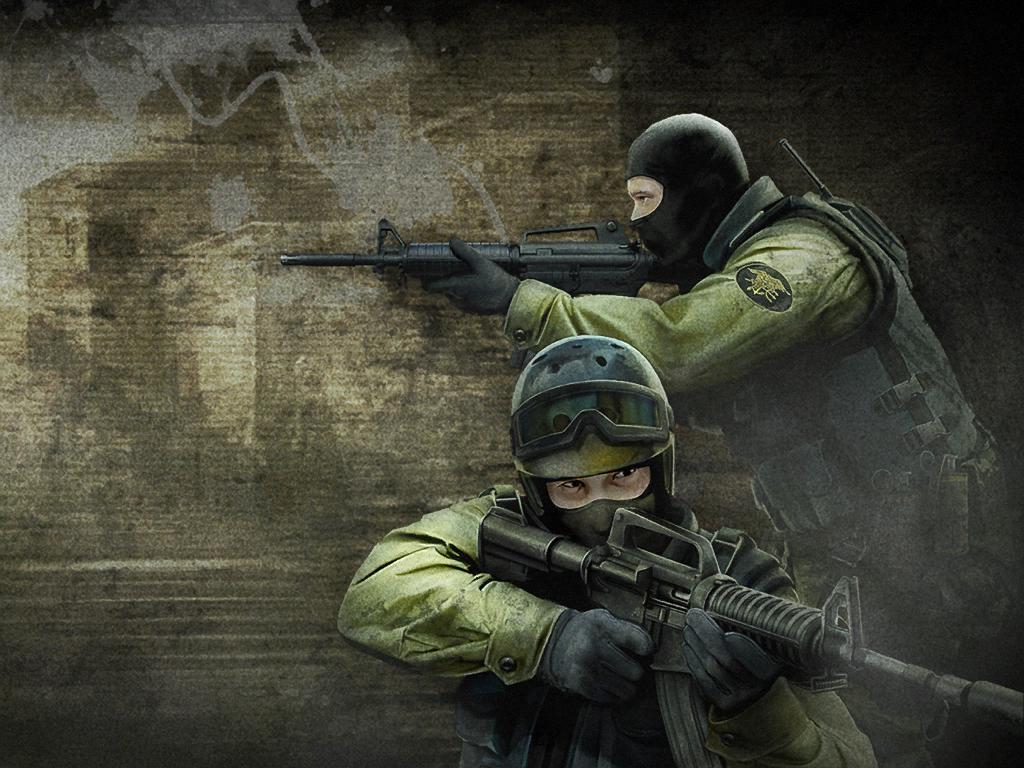
Counter-Strike: Source is a 2004 tactical multiplayer FPS built on the Source engine, pitting Counter-Terrorists against Terrorists in round-based bomb defusal or elimination matches. Players buy weapons each round with no respawns until the next, making every shot and movement decisive. Most players still run it on community servers in 2026, mixing competitive matchmaking with casual or heavily modded experiences like surf, jailbreak, or custom physics maps.
In high FPS play, the game is experienced through the lens of responsiveness rather than graphical fidelity. Competitive players run low settings and high refresh monitors because every extra frame reduces the time between physical input and on-screen result. The legacy engine relies heavily on single-core CPU performance for physics, AI, networking, and draw calls, which means modern multi-core chips can still stutter or feel inconsistent without the right clock speeds and configuration tweaks. Player counts, smoke grenades, and complex community maps drive the biggest load; these situations create CPU spikes that ruin frame pacing if the processor cannot sustain high instructions-per-clock on its primary threads.
Common pain points include stuttering on modern Windows installs without launch options or rate commands, and the widespread misconception that a powerful GPU will solve everything. In reality the GPU sits mostly idle while the CPU handles the bulk of the work. Before choosing hardware for high-FPS Counter-Strike: Source, understand that single-thread speed, fast RAM, and quick storage matter far more than raw rasterization power. The right PC delivers consistent smoothness that translates directly into better aim, cleaner strafing, and a tangible competitive edge.